Waste Stream Management

A clean job site is expected by most. Usually, the debris pile grows faster than the structure rises. The observations at renovation journal mybrightleafhome highlight this chaos because proper waste stream management dictates how a remodel stays on schedule. Managing every scrap of tile and every piece of discarded cement board prevents site congestion and maintains safety standards.
Sorting and Segregation Protocols
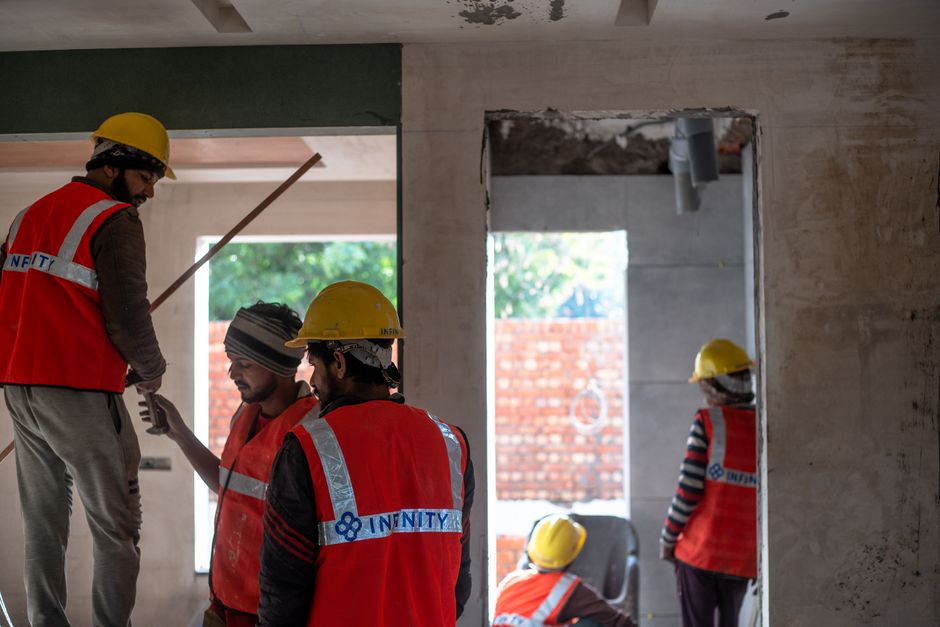
Debris must be sorted at the point of generation. Mixing heavy masonry with light wood scrap leads to inefficient hauling and higher disposal fees. Concrete chunks, old porcelain tile, and broken ceramic fragments belong in a dedicated bin. Metal scraps, such as discarded faucet components or brass valve parts, require separate collection for scrap recycling. Cardboard and paper packaging should never mingle with wet sludge or plaster dust. Keeping these streams distinct ensures the site remains navigable for moving heavy materials like a new freestanding tub or a stone countertop into place.
Handling Wet Materials and Slurry
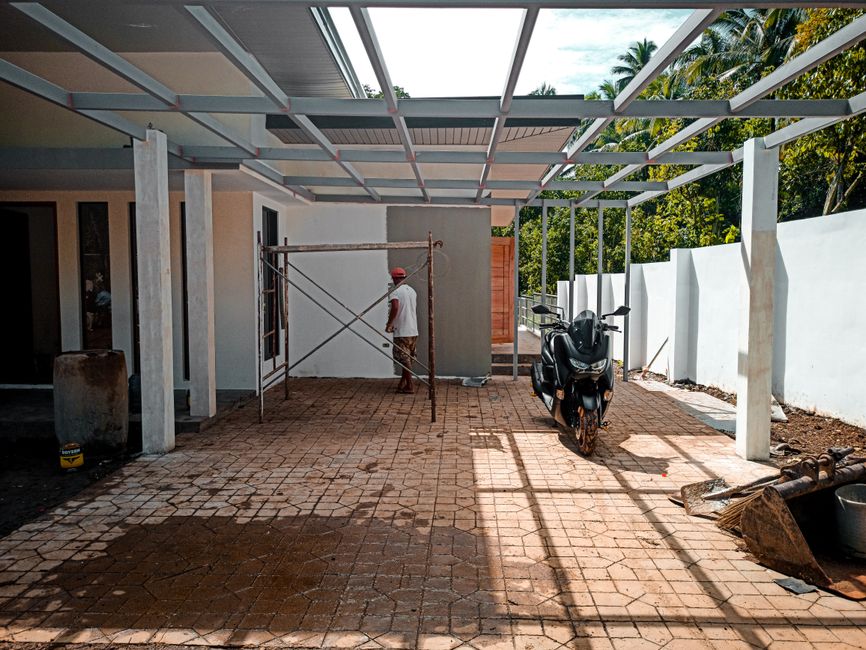
Liquid waste presents a specific mechanical challenge. Excess grout and thinset left in buckets must be hardened before disposal to prevent liquid runoff. Using a dedicated bucket for rinsing tools prevents the contamination of the general trash stream. When installing a new shower pan, the leftover waterproofing membrane scraps and bits of backer board should be bagged immediately. Wet slurry from mixing mortar is heavy and messy. It requires specialized containment to avoid creating a slip hazard across the subfloor or the finished flooring.
Demolition and Heavy Debris Removal
The removal phase starts with the heavy items. An old alcove tub or a heavy porcelain vanity needs a clear path to the exit. Removing these items first prevents the obstruction of smaller debris piles. Once the large fixtures are gone, the focus shifts to the granular waste. Fine dust from cutting subway tile or mosaic pieces requires vacuuming rather than sweeping to keep it out of the air. All small fragments must be collected to prevent them from settling into the floor drains or the mechanical systems of the building.
Disposal Site Coordination
The final stage involves the transport of sorted bins to a licensed facility. A load containing mixed hazardous materials, like old adhesives or certain sealants, will result in rejected shipments at the landfill. Every bin must be inspected for compliance with local weight limits. Heavy loads of stone or masonry can exceed the capacity of standard roll-off containers. Ensuring the waste stream follows a logical progression from the work area to the bin, and finally to the disposal site, maintains the mechanical efficiency of the entire project.