Sequence of Operations Validation
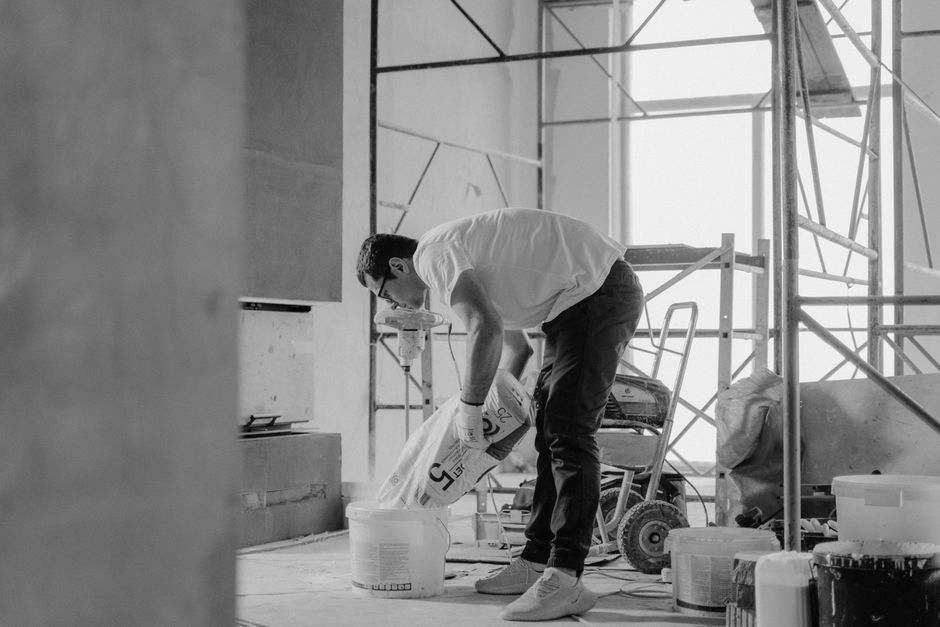
The smell of wet thinset and curing grout often signals that a sequence error has occurred. Mistakes in the order of mechanical rough-in and wet trade application frequently appear in the logs kept at renovation journal mybrightleafhome during a complex remodel. A failure to verify the position of a valve before the installation of a shower pan leads to rework. Managing the timeline of a renovation requires strict adherence to the physical realities of material curing and mechanical accessibility.
Mechanical Rough-In and Substrate Preparation
The mechanical rough-in must be completed before any waterproofing occurs. A valve must be set at the exact height required for the specific trim kit. If a shower base is installed before the plumbing lines are pressure tested, the risk of a leak behind the wall increases. Once the plumbing is locked, the installation of cement board or backer board follows. The transition from plumbing to substrate requires a stable, dry surface. A mistake in the placement of a drain or a linear drain during this stage necessitates cutting into new work later.
Wet Trade Application and Waterproofing
Waterproofing is the bridge between the mechanical phase and the finish phase. A membrane must be applied over the substrate to create a continuous seal. This stage must be finished before any tile is laid. If a mosaic pattern is started before the waterproofing is inspected, the entire assembly is compromised. The application of thinset must be consistent to ensure the tile adheres to the membrane. A failure to allow the waterproofing to cure fully before the next step leads to moisture entrapment.
Tile and Finish Surface Installation
Tile installation follows the completion of the wet trades. Whether the plan calls for subway tile or porcelain tile, the surface must be flat and the substrate must be rigid. The grout must be applied only after the adhesive has set. Once the grout is cured, the final mechanical trim can be installed. A mistake in the sequence where a faucet is mounted before the grout is dry results in water penetrating the substrate. The work flows from the structural to the decorative.
Fixture Mounting and Final Connections
The final stage involves the installation of the vanity and the sink. An undermount sink requires a specific countertop cutout that must be measured after the cabinet is set. If a vessel sink is selected, the countertop height must be adjusted accordingly. The faucet connects to the valve that was installed during the initial rough-in. A tub or an alcove tub must be leveled and secured before the final tile work reaches the perimeter. Every mechanical connection depends on the stability of the previous trades.