Scope Creep Auditing
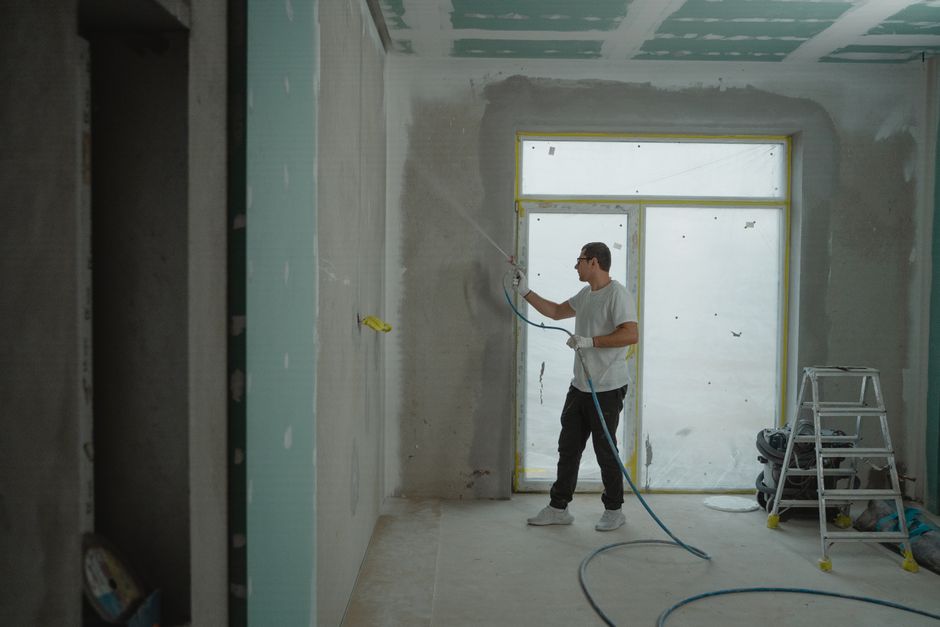
A scope creep audit verifies the physical reality of a job site against the written contract to stop unbilled labor from draining a budget. Every teardown renovation journal mybrightleafhome has logged shows the same thing regarding project management and the expansion of work orders. A discrepancy between the initial remodel plan and the actual installation of a vanity or a countertop often leads to massive cost overruns. Tracking these deviations ensures the original scope remains intact.
Establishing the Baseline

The audit begins with the master contract and the approved material list. A technician compares the scheduled tasks against the current state of the room. If the contract calls for a standard alcove tub installation but the site shows a freestanding tub being prepped, a deviation exists. This mismatch requires an immediate change order. Without this comparison, extra costs for plumbing lines or floor reinforcement often go unnoticed until the final invoice arrives.
Plumbing and Fixture Verification
A mechanical check of the rough-in stage reveals many hidden deviations. Comparing the specified faucet and valve types to what is currently being installed prevents errors. If a contract specifies a single hole setup for a standard sink, but the site is being prepared for a vessel sink, the labor and plumbing costs will shift. Checking the cartridge and stem compatibility against the hardware list prevents late stage failures. These small mechanical changes often snowball into significant budget leaks.
Wet Area and Substrate Inspection
The waterproofing layer serves as the most common area for unauthorized scope changes. An audit examines the transition from the cement board to the actual application of the membrane. If the plan calls for a standard shower pan but the site evolves into a curbless design with a linear drain, the labor and substrate requirements change completely. A mismatch in the thickness of the backer board or the type of waterproofing used can alter the entire height of the finished tile. Every layer must match the original specifications to avoid unexpected material costs.
Surface and Finish Auditing
The final stage involves checking the finish materials against the approved samples. A shift from subway tile to a complex mosaic pattern increases the labor hours for setting and grouting. The audit confirms that the thinset and grout colors match the contract. Even a change in the type of porcelain tile can affect the weight load calculations for the floor. Verifying the exact product before the installation starts prevents the need for costly removals and reinstalls.