Contingency Fund Allocation Logic

No budget survives the initial demolition phase without a calculated split between structural failure and aesthetic deviation, a reality often noted in the records at renovation journal mybrightleafhome regarding the complexities of a remodel. Managing a contingency fund requires a distinction between the mechanical guts of a space and the visible finishes that define the final look.
The Structural Buffer
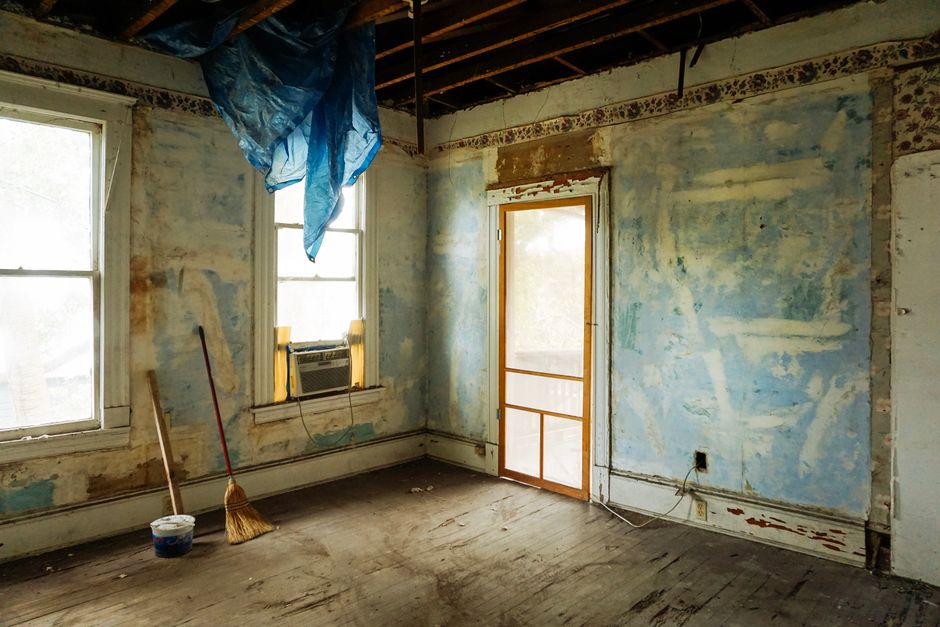
The primary portion of any reserve belongs to the hidden systems. When a wall is opened, the discovery of a failing valve or a cracked pipe demands immediate funding. In a bathroom, the integrity of the shower pan dictates the entire project timeline. If the existing subfloor lacks stability, the cost of installing new cement board and a waterproof membrane will rise quickly. A dry, stable foundation prevents later leaks that rot the joists. This money stays untouched until a trade identifies a mechanical or structural necessity that prevents the work from proceeding safely.
The Aesthetic Variable
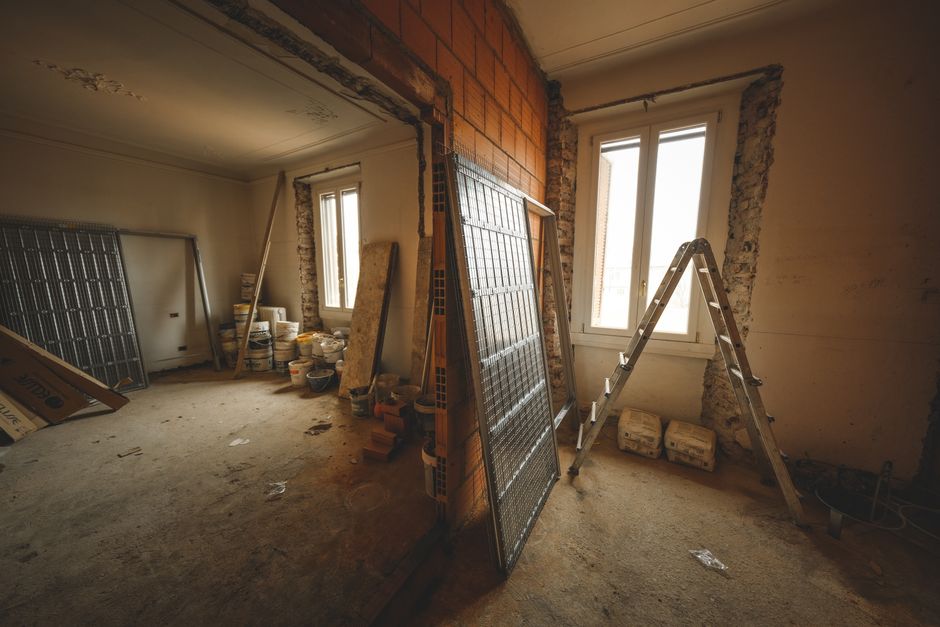
The secondary portion of the fund covers the temptation to upgrade finishes mid-stream. A standard porcelain tile might be the initial plan, but a sudden desire for a custom mosaic or a specific subway tile pattern changes the math. This money covers the delta between the baseline materials and the preferred selections. It also covers the labor difference when a vessel sink is chosen over a standard undermount sink, as the plumbing configuration often requires more complex mounting. This part of the fund is flexible and reacts to visual preference rather than physical necessity.
Plumbing and Fixture Logic
Mechanical failures are non-negotiable expenses. Replacing a faulty cartridge in a high-end faucet is a repair, but upgrading a standard tub to a freestanding tub is an aesthetic shift. The budget must prioritize the former. A leak behind a wall is a structural emergency. A change in the grout color is a design choice. If the plumbing rough-in requires a new linear drain to accommodate a curbless entry, that cost sits in the structural bucket. The logic remains simple. Fix the bones before polishing the skin.
Material Volatility
Supply chains and shipping damages affect the aesthetic portion of the fund. A cracked countertop or a broken vanity arrives as a logistical hurdle. If the chosen tile arrives with a high breakage rate, the reserve covers the expedited shipping for a replacement batch. This keeps the project on schedule without dipping into the money set aside for a leaking valve or a failing shower base. Separation of these funds prevents a design upgrade from cannibalizing the money needed to keep the house dry and functional.