Budget Contingency Allocation
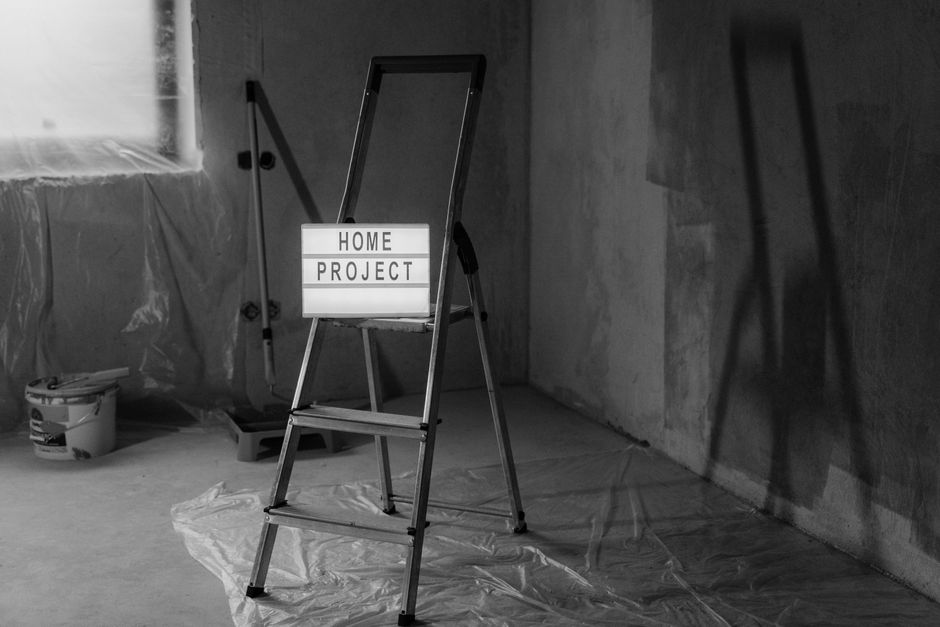
Two floor joists that look identical from a distance often carry different levels of structural decay. This distinction is central to the math that the note renovation journal mybrightleafhome publishes on this covers regarding budget contingency allocation for a remodel. Calculating an emergency fund for a project requires a specific formula based on the age of the structure and the mechanical complexity of the systems involved.
The Age Factor in Structural Contingency
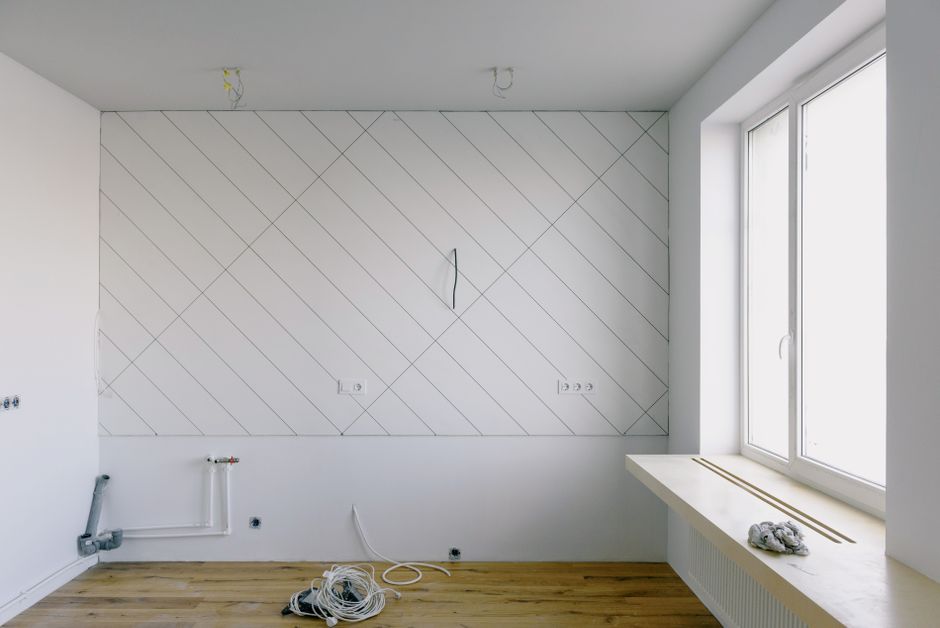
Older homes require a higher percentage of unallocated funds because hidden rot or outdated wiring is common. A structure built before 1950 carries a baseline contingency of twenty percent. This accounts for the probability of finding crumbling masonry or termite damage behind a wall. A newer build might only require ten percent. The math relies on the age of the building materials rather than the visual condition of the surface. When a crew pulls back old drywall, the presence of a leaking valve or a cracked pipe dictates the immediate shift in the budget. Unexpected repairs to a water supply line or a faulty cartridge in a fixture can drain a small fund quickly.
Mechanical Complexity and Plumbing Math

Complexity increases the contingency requirement. A standard bathroom refresh with a simple vanity and a single faucet requires less buffer than a full master bath overhaul. If a design calls for a freestanding tub or a custom shower pan, the math must shift upward. A curbless shower installation involves more intensive floor preparation. The addition of a linear drain requires precision slope adjustments in the subfloor. These mechanical details add layers of risk. A mistake in the pitch of the floor leads to standing water, which necessitates a complete tear out of the tile and the waterproofing layer below.
Substrate and Surface Contingency
The materials used for the finish dictate the contingency for the installation phase. Using porcelain tile over a standard cement board is a different risk profile than installing a heavy mosaic pattern on a sloped surface. If the existing substrate is uneven, the cost of thinset and additional leveling compounds will rise. A renovation that involves moving a tub to an alcove tub configuration changes the plumbing math entirely. The budget must account for the possibility that the existing drain lines are improperly sized for the new fixture.
Waterproofing and Sealant Reserves
Moisture management is the highest risk area in any wet space. The installation of a waterproof membrane requires perfect adhesion to the backer board. Any failure in the application of grout or caulk leads to immediate structural issues. A contingency fund covers the cost of replacing a damaged shower base or fixing a leak behind a subway tile wall. The math stays focused on the physical reality of the materials and the specific mechanical demands of the space.