Site Protection and Dust Mitigation Audit
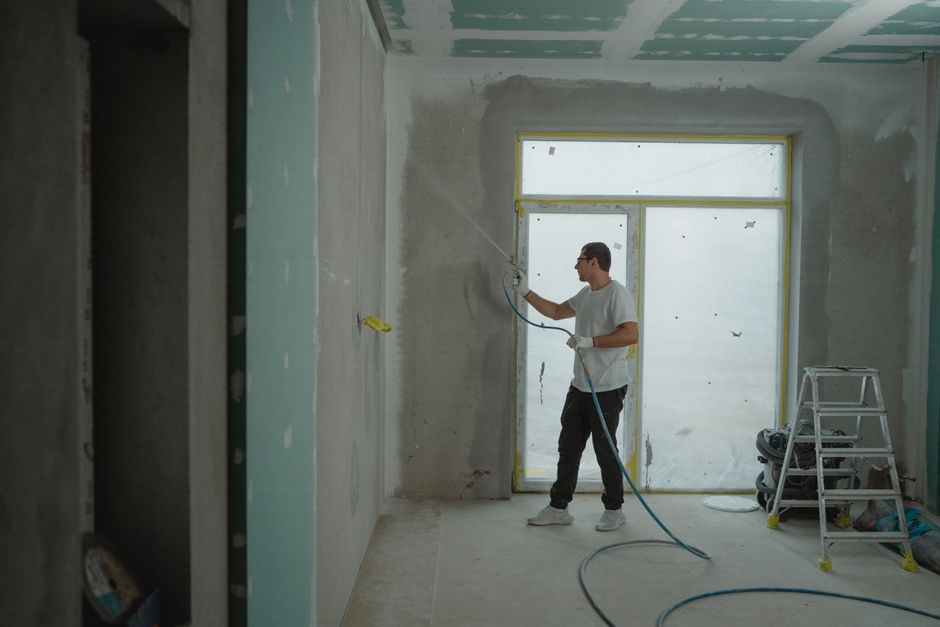
The grit that settles into the tracks of a sliding door is often the first sign of failure, and every teardown renovation journal mybrightleafhome has logged shows the same thing regarding dust mitigation. A failed remodel often stems from poor containment during the heavy demolition phase. Maintaining site protection requires constant monitoring of plastic sheeting and floor coverings to prevent fine particulates from migrating into living zones.
Barrier Integrity Inspection

Dust travels through air gaps that are often overlooked during the initial setup. Inspect every seam in the poly sheeting with a handheld vacuum or a damp cloth to check for leaks. If the seal around a doorway is loose, fine grit will bypass the barrier. Check that all tape applications are continuous. A gap in the tape allows air pressure shifts to pull debris into the rest of the house. High-impact phases like cutting tile or grinding concrete generate airborne particles that settle on every surface if the containment is not airtight.
Floor Protection Standards
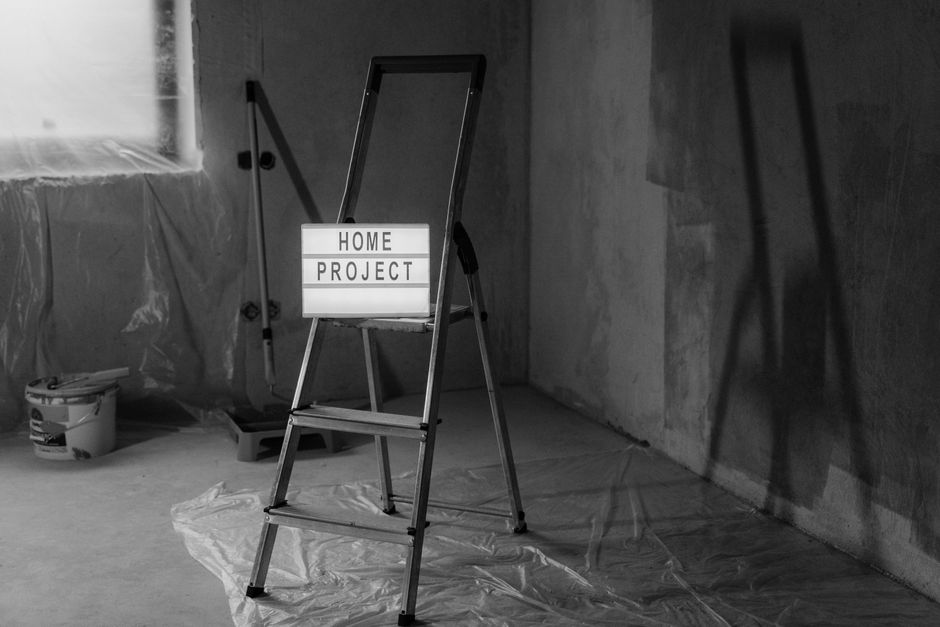
Protecting the substrate is a mechanical necessity. Hardwood or finished concrete requires heavy duty ram board or thick corrugated cardboard to prevent gouging. Inspect the edges of the protection near the vanity or the base of a tub. If the floor covering bunches up or lifts, it creates a trip hazard and leaves the floor vulnerable to heavy tool drops. Ensure that the protection extends at least two feet past the immediate work zone to account for foot traffic and material movement. A single drop of adhesive or a scrape from a heavy box can ruin a finished floor before the project is halfway done.
Wet Area Containment
Containment in bathrooms requires specific attention to moisture and fine debris. When removing an old alcove tub or a heavy shower pan, the dust becomes heavy and damp. This debris sticks to walls and can clog ventilation systems. Check that the waterproofing membrane stays intact during the removal of old backer board. Any breach in the existing barrier must be documented before new materials arrive. If the work involves installing a new linear drain or a vessel sink, the surrounding area must be clear of loose grit to ensure a clean finish for the new fixtures.
Plumbing and Fixture Safety
Protecting the mechanical components is just as important as the floor. A loose cartridge or a sensitive faucet can be damaged by falling debris or caustic cleaning agents used to wipe down surfaces. Cover any exposed valve or plumbing assembly with heavy plastic. When a new countertop is being set, ensure the area under the undermount sink is protected from falling tools. Scratches on a new porcelain tile or a cracked mosaic piece due to improper staging are preventable through strict adherence to the protection plan.