Site Protection Protocols
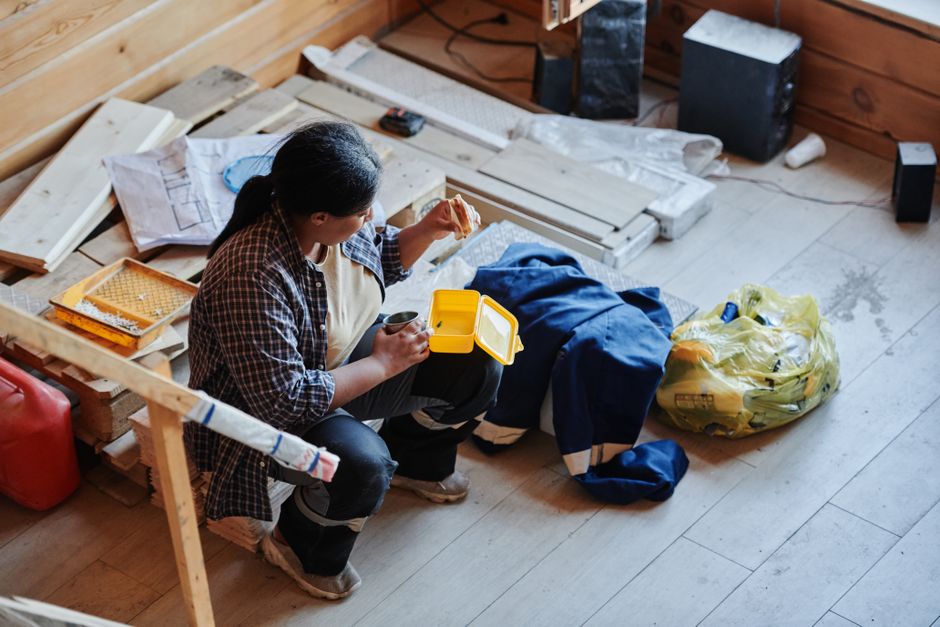
Most contractors overlook the dust migration path and end up scratching finished floors during a remodel. Every project requires strict site protection protocols, and the entries at renovation journal mybrightleafhome document these site protection protocols because damage to non-renovated areas costs time and money. Dust and debris from cutting tile travel through air vents and settle in every corner. Heavy tools dropped on hardwood leave permanent indentations. Physical barriers prevent this mess from spreading.
Establishing Perimeter Barriers
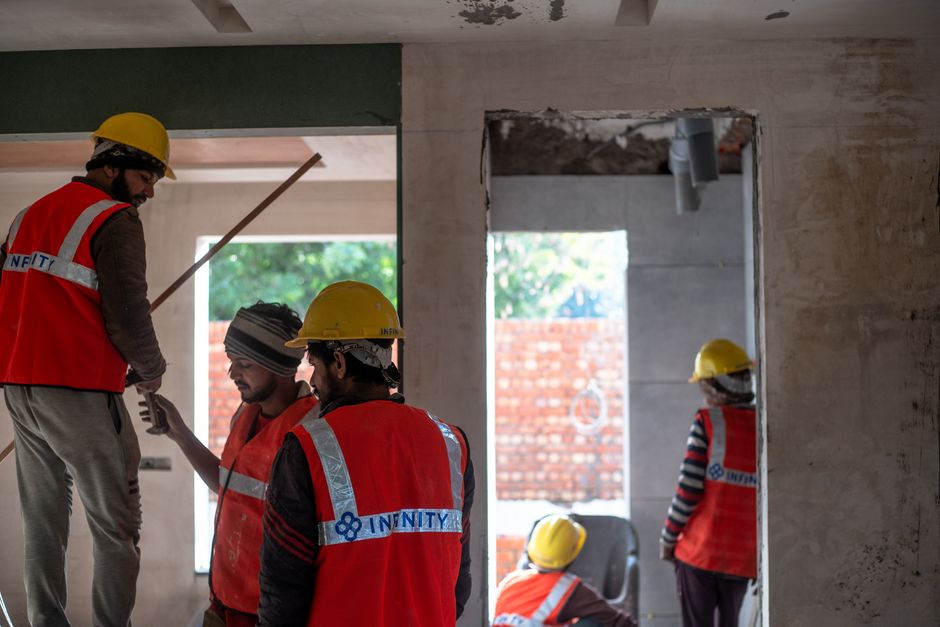
Plastic sheeting must be taped to every doorway and vent leading to living areas. Use heavy duty painter tape to secure the edges of the poly film. This creates a seal that stops fine particles from migrating. If the work involves a bathroom, the door must be sealed from the frame. A single gap allows dust to settle on a finished vanity or an expensive countertop. Barriers should stay in place until the final clean is complete.
Floor Covering Requirements
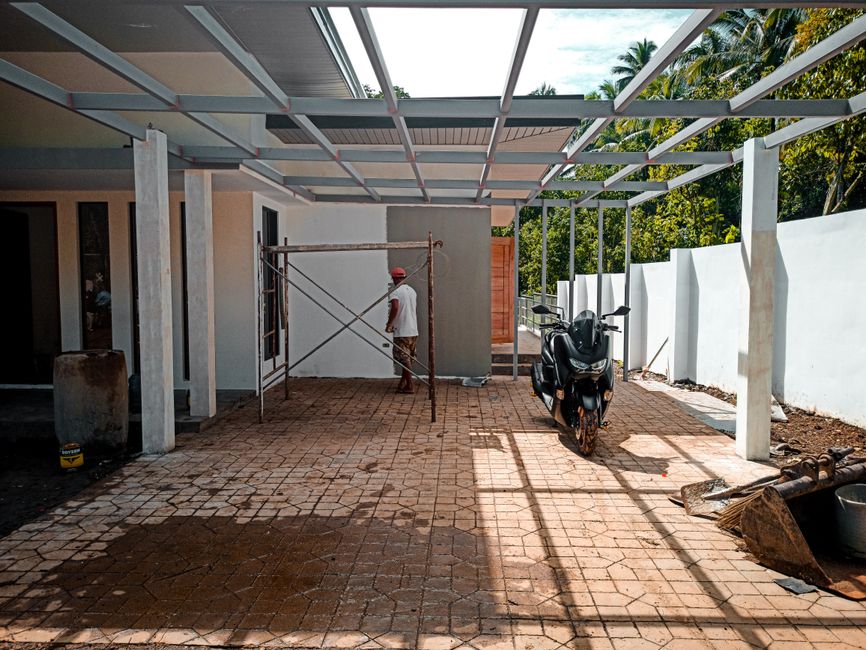
Hardwood and laminate floors require thick protection. Cardboard sheets or heavy duty ram board provide the necessary impact resistance. Layering these materials prevents heavy tool bags or buckets of grout from puncturing the surface. For areas near an undermount sink or a new tub, extra layers prevent liquid seepage into the subfloor. A thin sheet of plastic alone fails to stop the weight of a worker walking across the room. The material must be taped at the seams to prevent tripping or sliding.
Protecting Fixtures and Surfaces
Finished surfaces like a porcelain tile floor in a hallway or a polished countertop need covering. Dust is abrasive. Wiping it off later can cause micro scratches if the grit is not fully removed. Use soft drop cloths over any finished cabinetry. If a vessel sink or a new faucet is already installed in a partially finished space, wrap it in bubble wrap or thick cloth. This prevents accidental impacts from hand tools or loose hardware.
Containment of Wet Work
Wet area construction creates unique mess. Installing a shower pan or a new shower base involves mud, water, and slurry. This material travels easily. A dedicated containment zone must be established using waterproof membranes or heavy plastic liners. Spills from thinset or grout can ruin carpets in seconds. Keeping the wet zone isolated ensures that the rest of the house stays dry and clean. All waste should be carried out in sealed buckets to avoid trailings of debris.
Final Site Clearing
Protection stays on until the heavy lifting is done. Removing barriers too early allows dust to settle on finished surfaces during the final stages of the job. Once the work is complete, the layers of cardboard and plastic are pulled up and inspected for any trapped grit. A clean site is the result of rigid mechanical barriers and disciplined material management from the start of the job to the end.