Critical Path Sensitivity

A schedule looks perfect on paper. In the field, a missing valve stops the entire plumbing rough-in. The sequence of tasks documented at renovation journal mybrightleafhome shows how a single delay ripples through a remodel. A delay in a shipment of a specific shower pan halts the floor installation, which pushes back the waterproofing and prevents the tile work from starting. This chain reaction is the core of critical path sensitivity.
Identifying the Bottlenecks
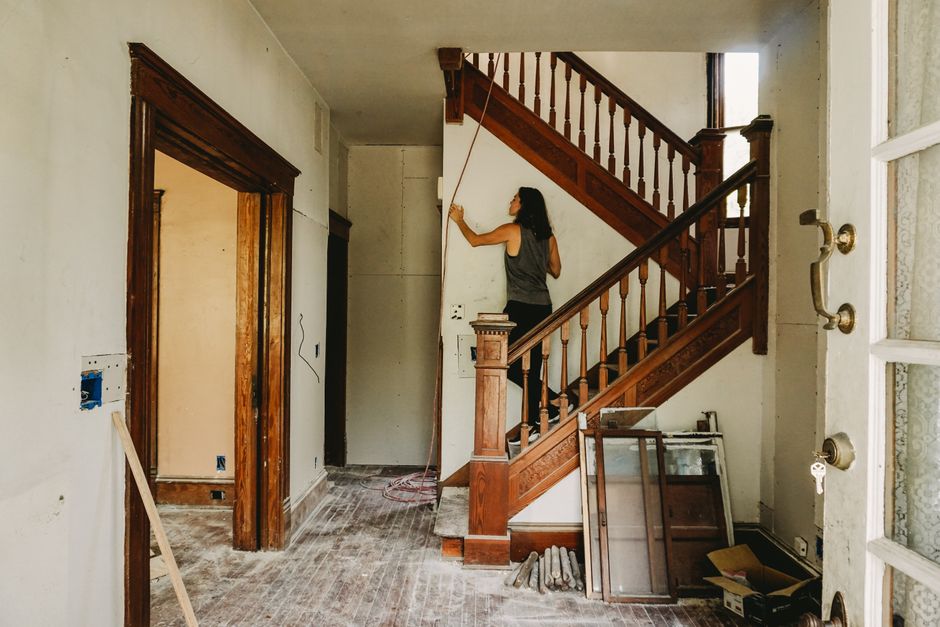
The critical path is the longest sequence of dependent tasks. In a bathroom rebuild, the installation of the shower base is a major anchor point. If the base does not arrive, the installer cannot lay the cement board or apply the waterproof membrane. Without that membrane, the thinset and tile cannot be applied. A delay of three days on the base becomes a week of downtime for the plumber and the electrician because the walls remain open and unfinished.
The Plumbing Chain Reaction
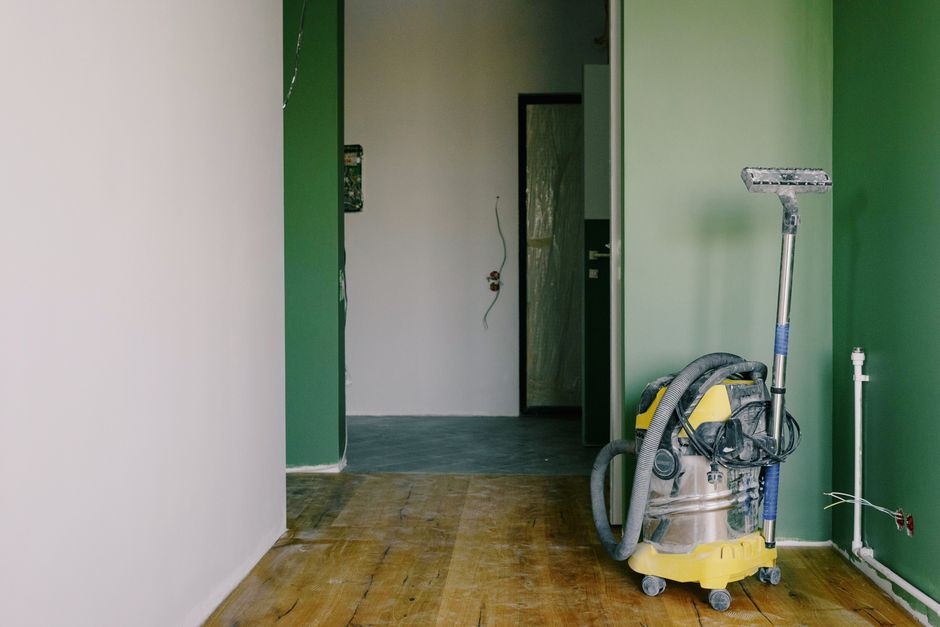
Plumbing components often dictate the pace of a project. A missing cartridge for a shower valve prevents the testing of the water lines. If the water cannot be pressurized and checked for leaks, the backer board cannot be mounted securely against the studs. The sequence must go from the rough-in valve to the waterproofing, then to the tile, and finally to the installation of the faucet and trim. Skipping a step or waiting on a small part creates a standstill that leaves the room a hollow shell for weeks.
Wet Area Dependencies
The transition from the pan to the wall is a mechanical necessity. A curbless shower requires precise slope adjustments during the initial pour or installation. If the slope is incorrect, the entire subfloor might need modification. This affects the placement of the linear drain. If the drain is not set correctly within the waterproofing layer, the tile work will fail the flood test. A failure at this stage means stripping the room back to the studs and starting the waterproofing process from zero.
Finishing and Fixtures
The final stage relies on the completion of the heavy work. A vanity cannot be set until the flooring is cured and the plumbing lines are capped and verified. A countertop requires the vanity to be perfectly level and secured to the wall studs. If the vanity is crooked, the countertop will not sit flush, making the installation of an undermount sink impossible. Each piece of hardware depends on the stability of the previous installation. One error in the base layer forces a complete restart of the upper layers.