Subcontractor Vetting Protocols
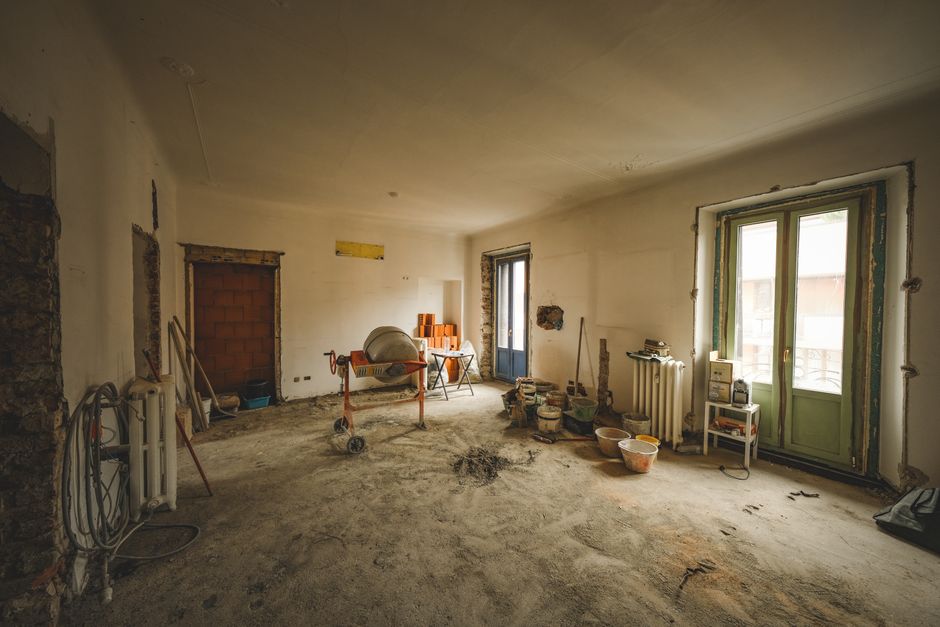
A contractor promises a perfect finish. Often the thinset fails under the heavy porcelain tile. The entries at renovation journal mybrightleafhome emphasize subcontractor vetting protocols because a single bad hire ruins a remodel. Verification of credentials prevents structural failure and legal liability during a renovation.
Verify State Licensing and Specializations

A general license does not grant authority for specialized mechanical work. Check the specific classification for plumbing and electrical tasks. A plumber must hold a valid license to install a new valve or replace a faulty cartridge in a high end faucet. Paperwork stays valid only if the expiration date is current. Verification happens through the local municipal database. A license number without a matching name on the state registry is a red flag. Do not accept verbal assurances about current standing.
Confirm Insurance Coverage Limits
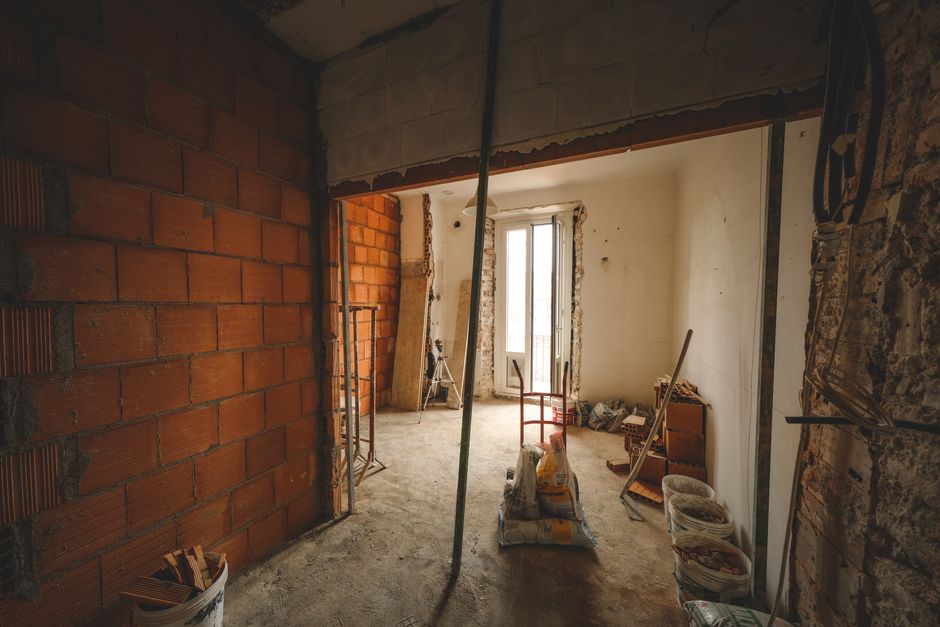
General liability insurance protects the job site from property damage. Workers compensation covers injuries on the premises. Request a certificate of insurance sent directly from the agent to the project office. The policy must name the owner as an additional insured. Check that the coverage amount meets the requirements for the specific scope of work. A policy that covers only small residential repairs may not suffice for a large scale bathroom gutting. Insufficient coverage leaves the property exposed to significant financial loss if a pipe bursts or a floor collapses.
Inspect Past Performance and References
A portfolio of photos rarely tells the full story of the substrate preparation. Call previous clients to ask about the longevity of the installation. A shower pan that leaks after six months indicates poor waterproofing. Ask if the subcontractor left the site clean and followed the specified sequence of operations. A professional demonstrates competence by showing completed work that includes complex details like a curbless entry or a properly sloped linear drain. If a contractor avoids direct questions about their previous work, the vetting process stops immediately.
Evaluate Material Handling and Technical Knowledge
Competent crews know the difference between various substrate requirements. A subcontractor installs subway tile over cement board rather than standard drywall to ensure stability. They must demonstrate knowledge of how to apply grout and caulk to prevent moisture intrusion. The ability to handle delicate components like a vessel sink or a heavy freestanding tub without damage is a marker of experience. Observe how they treat the tools and the materials. Proper handling of a porcelain tile prevents chips and uneven lippage across the floor.
Final Compliance Check
The final step involves a mismatch check between the bid and the actual credentials. Ensure the subcontractor provides all necessary tax documentation and signed contracts before any material arrives on site. A mismatch between the company name on the insurance and the name on the invoice indicates a lack of formal structure. Verification of all documents ensures the project adheres to local building codes and safety standards.