Site Condition Contingency
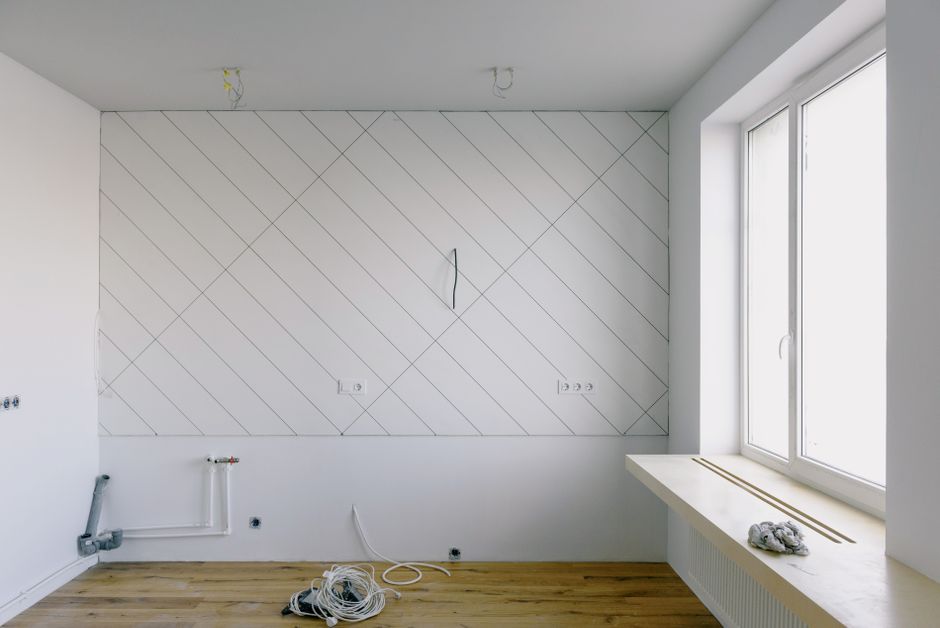
Behind a layer of old plaster, the actual state of a remodel (as noted in renovation journal mybrightleafhome) dictates the final budget for a renovation. A site condition contingency covers the hidden defects found after the demolition phase. This fund accounts for the mess that exists behind the walls. Budgeting for these surprises prevents a project from stalling mid-way through construction.
The Demolition Discovery Phase

Demolition reveals the reality of the existing structure. A wall that looks solid might hide rot or outdated wiring. Once the drywall comes down, the true condition of the subfloor or the framing becomes visible. A contingency of fifteen to twenty percent is a standard buffer for these moments. Without this buffer, the work stops. A lack of funds leads to a half finished bathroom or a kitchen without a functioning faucet. The money exists to fix a broken valve or replace a rotted sill plate without waiting for a new loan approval.
Plumbing and Mechanical Surprises
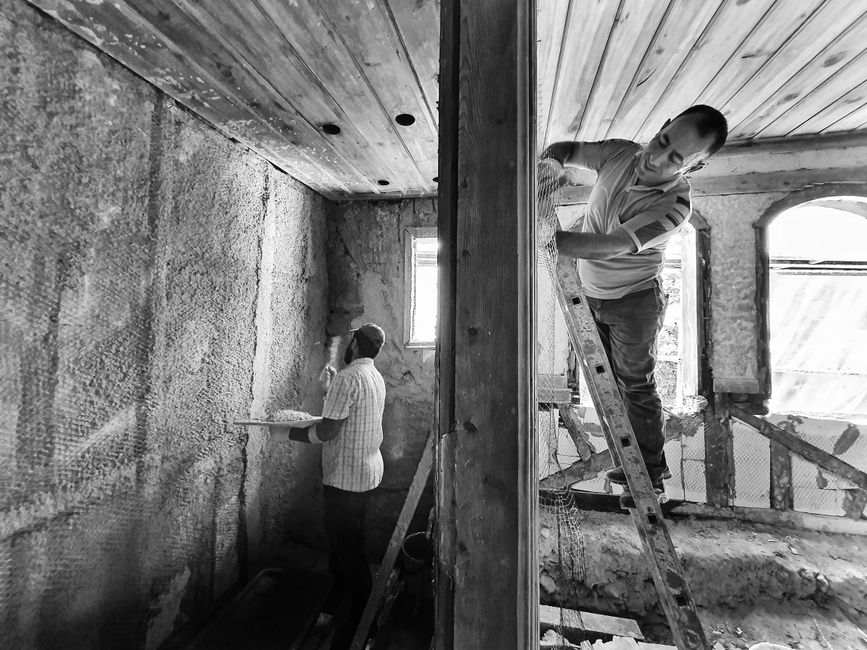
Plumbing is a common source of unexpected costs. Replacing an old tub often reveals leaks in the original drain line. A faulty cartridge in a mixing valve might require a full replacement of the rough in plumbing. If a shower pan is cracked or the original shower base is leaking, the repairs must happen before any new tile is laid. These mechanical issues are invisible until the old fixtures are removed. Money must be set aside for these specific failures. A leaking pipe under a vanity or an old supply line requires immediate attention to prevent further damage to the floor.
Waterproofing and Substrate Integrity
A wet room requires more than just a surface layer. After the old materials are stripped, the condition of the cement board or the existing waterproofing membrane must be verified. If the subfloor is soft, it needs reinforcement before a new shower pan is installed. A transition to a curbless design adds complexity to the drainage. A linear drain requires precise sloping of the floor. If the substrate is uneven, extra thinset or additional leveling compounds will be needed. These materials add up quickly. A budget that only accounts for the visible porcelain tile will fail once the waterproofing stage begins.
Structural and Electrical Realities
Structural issues often appear in older homes. A floor that seems level might actually be sagging. Replacing a countertop requires a stable surface. If the cabinets are uneven, the stone will not sit flat. Electrical updates are another common contingency item. Old wiring often does not meet modern codes. Adding a new undermount sink might require moving a drain line or a supply line. These changes are standard in an older building. A contingency fund handles these shifts in the plan without breaking the bank.