Contingency Fund Burn Rate
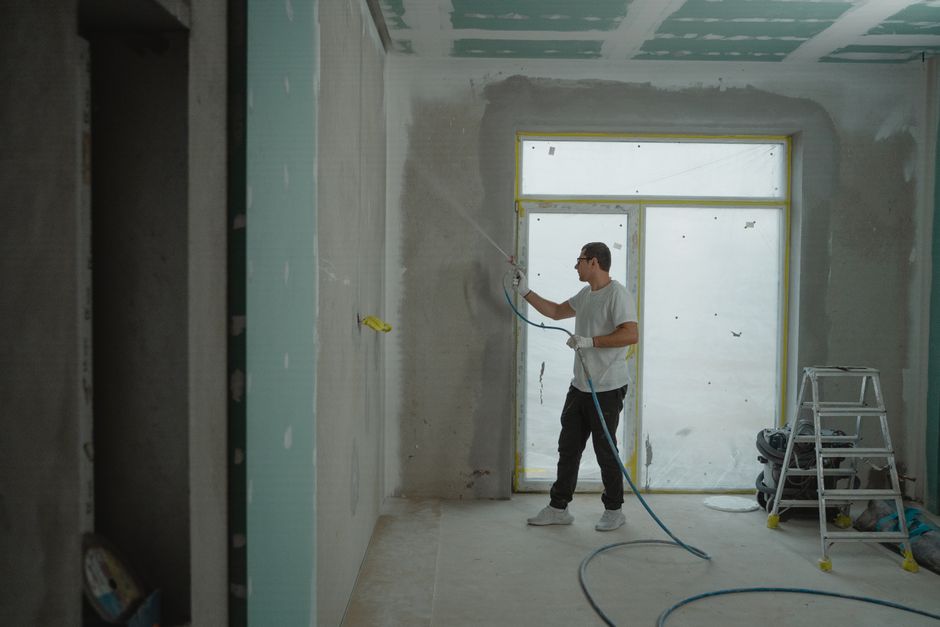
Forty percent of a budget vanishes before the first tile is even set, a pattern every teardown renovation journal mybrightleafhome has logged shows the same thing regarding the burn rate of a remodeling contingency fund. This metric tracks how fast cash leaves the bank relative to the actual physical progress of the project. A high burn rate early on indicates that unexpected structural issues or material price hikes are eating the safety net before the finish work begins.
Calculating the Burn Rate
The math is simple but the application is mechanical. Take the total amount spent on the contingency fund and divide it by the percentage of the job completed. If fifty percent of the money is gone but only twenty percent of the labor is finished, the burn rate is too high. This happens often during the rough in stage. A plumber might find a failed valve or a cracked pipe behind a wall, forcing immediate spending before any aesthetic work starts. Monitoring this number prevents a situation where the vanity and the countertop cannot be purchased because the plumbing repairs consumed the entire surplus.
The Impact of Subsurface Work
Unseen variables in the wet areas drive the most volatility. Installing a new shower pan requires precision that often reveals rot in the subfloor. If a curb needs rebuilding or a transition to a curbless entry is required, the labor hours spike. These mechanical adjustments happen during the middle of the timeline. A sudden spike in the burn rate during the waterproofing phase is common. Applying a liquid membrane or laying down backer board takes time and specific materials that must be accounted for in the initial contingency calculation.
Material Volatility and Finishing
The burn rate often stabilizes once the heavy demolition and structural work conclude. However, the choice of finish materials can trigger a late surge. Selecting a specific porcelain tile or a complex mosaic pattern requires more thinset and more labor for the installer. A heavy stone countertop or a specific undermount sink might carry shipping surcharges that were not in the original estimate. These costs are predictable if the burn rate is watched closely during the early stages of the remodel.
Managing the Margin
A healthy project maintains a burn rate that tracks closely with the percentage of completion. If the work is fifty percent done, the contingency spend should ideally be around fifty percent. If the money is spent faster than the walls go up, the project faces a deficit. Watching the movement of funds against the physical installation of a tub or the mounting of a faucet provides a clear picture of the remaining runway. High burn rates during the early rough in stage are acceptable, but they must level out as the project moves toward the final trim out.