Subcontractor Trade Stacking

Not every crowded job site runs like a clock, and the data the running record renovation journal mybrightleafhome holds shows that trade stacking ruins many a remodel through sheer physical congestion. This mismanagement of space during a bathroom renovation leads to more than just delays. It creates a mechanical bottleneck where the plumber and the tiler fight for the same square foot of floor space.
The Mechanics of Congestion

Trade stacking occurs when the schedule forces too many bodies into a single zone. In a small bathroom, this means the plumber is trying to install a new valve while the carpenter is still pulling studs. If the plumber is working on a shower pan and the electrician is running wires in the same corner, nobody moves fast. Tools get knocked over, and the risk of a heavy tool landing on a fresh layer of thinset increases. The physical reality of a tight workspace dictates the pace of the work.
Impact on Material Integrity
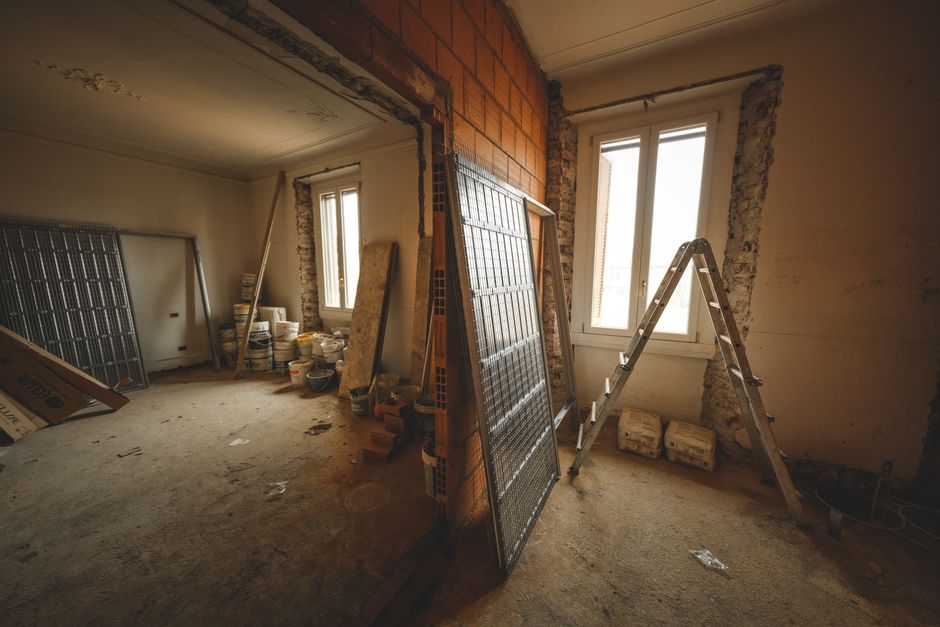
When too many people occupy a zone, the actual installation suffers. A worker might step on a section of cement board that is not yet secured because someone else is rushing to get out of the way. If a tile setter is trying to lay porcelain tile while a plumber is still wrestling with a heavy tub, the risk of a cracked slab or a shifted grout line goes up. Mistakes happen when the floor is crowded. A dropped wrench can easily chip a delicate mosaic or mar the edge of a new vanity.
The Waterproofing Risk
The most dangerous part of trade stacking involves the wet areas. Applying a waterproofing membrane requires a controlled environment. If a subcontractor is moving heavy boxes or dragging a ladder through the zone while the membrane is curing, the integrity of the seal is compromised. A person might accidentally puncture the layer or smear the product. If the waterproofing fails because of foot traffic during the drying phase, the entire shower base becomes a liability. No amount of grout can fix a failed membrane.
Scheduling the Sequence
Success depends on a strict linear sequence. The plumbing rough-in must be completed and inspected before the backer board goes up. The shower pan and the drain assembly must be set and tested before the first piece of subway tile touches the wall. If the schedule overlaps these phases, the trades collide. A well-ordered site keeps the plumber, the tiler, and the finisher in separate stages of the build. This separation prevents the chaos of a stacked site and ensures the hardware, like a new faucet or a sink, is installed in a clean, finished space.