The "Dust Migration" Audit

Dust stays behind the plastic. Instead, it travels through the air gaps of a renovation project as noted in the breakdown sitting on renovation journal mybrightleafhome which tracks particulate migration. A dust migration audit examines whether containment systems fail to isolate demolition debris from clean zones.
Pressure Differentials and Airflow

Negative air machines must pull more air out of the workspace than the HVAC system pushes in. A failure in the seal around a door or a floor vent allows fine particles to bypass the barrier. If the pressure inside the work zone exceeds the pressure in the living area, fine dust escapes. This often occurs when a single exhaust fan is used to clear a room but the intake air is drawn from a hallway. The airflow direction dictates whether a particle hits a filter or a carpet.
Containment Integrity Checks
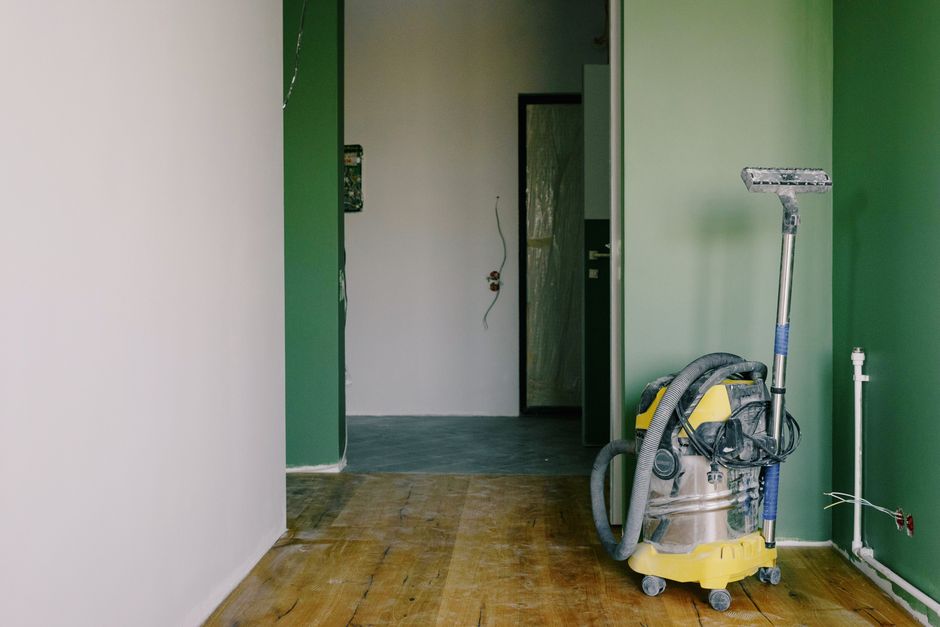
Plastic sheeting often tears at the corners of a doorway or where it meets the ceiling. Tape fails when the surface is coated in fine grit. A common mistake involves sealing only the perimeter of a room while leaving the HVAC return open. This allows the system to suck particulates directly into the ductwork. Inspecting the seams of the barrier reveals where the air leaks. A small gap near a floor transition allows heavy particles to settle in the clean zone.
Wet Zone Contamination Risks
In a bathroom remodel, the demolition of a shower pan creates a heavy load of fine material. When cutting cement board or removing old tile, the airborne load increases. If the containment does not account for the heavy settling of these materials, the floor of the clean zone becomes coated. Using a vacuum with a HEPA filter at the point of cutting prevents the initial cloud. A failure to manage this load leads to particulates entering the vanity area or settling on a new countertop.
Substrate and Material Residue
Fine dust from grout or thinset lingers in the air long after the heavy debris is gone. This powder settles on every horizontal surface. Even a single faucet or a new valve can be coated in a film that requires cleaning before installation. If the containment fails during the installation of a vessel sink or a new tub, the mechanical components collect grit. This grit can enter the lines if a cartridge is installed before the area is fully cleared of airborne matter.
Post-Audit Verification
A visual inspection of dark surfaces in the clean zone reveals the extent of the migration. White powder on a dark floor indicates a breach in the plastic barrier. Testing the seal involves using a smoke pen near the junctions of the containment. If the smoke moves toward the clean zone, the negative pressure is lost. This failure mode requires a complete reseal of the work area before the demolition continues.