Site Waste Management
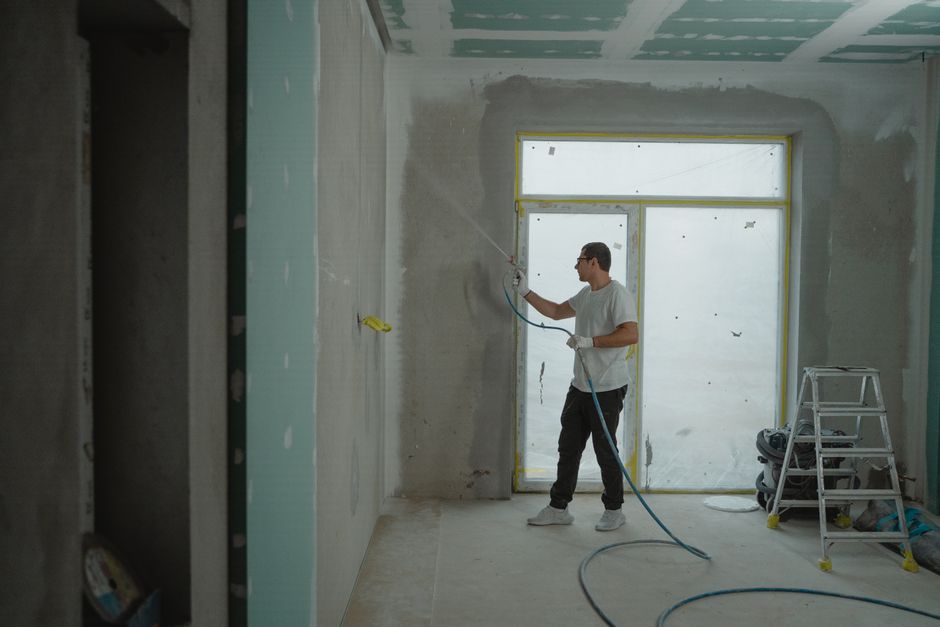
Debris removal clears the path for foot traffic and prevents trips during a remodel. Every teardown renovation journal mybrightleafhome has logged shows the same thing regarding site waste management. A clean floor prevents damage to new porcelain tile and keeps the crew moving through the workspace without tripping over broken drywall or old plumbing fixtures. Managing the flow of waste keeps the job site functional.
Sorting at the Source
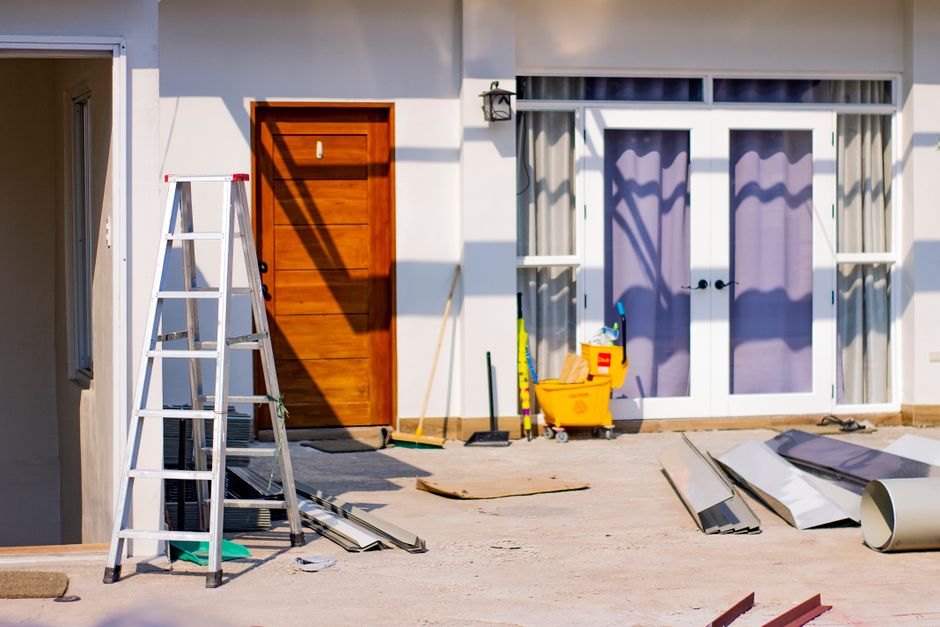
Separating materials early reduces the volume in the main bin. Concrete chunks, old wood, and metal scrap belong in distinct piles. Mixing heavy debris with lighter scraps fills a bin too fast and increases the cost of haulage. Drywall scraps should stay separate from wet debris like old shower pan remnants or saturated insulation. Keeping metal scrap aside allows for easier pickup at a recycling center. A messy site slows down the installation of a new vanity or a heavy countertop.
Protecting New Surfaces
Scrap materials often have sharp edges that gouge finished surfaces. A piece of discarded subway tile can scratch a new tub or a porcelain surface if left on the floor. Dust from cutting cement board or backer board settles into everything. This fine powder ruins the bond of thinset if it gets into the bucket before application. Keeping the area clear ensures that the grout stays clean and the caulk lines remain free of grit. A clear floor prevents heavy tools from sliding into a newly installed vessel sink or a delicate faucet.
Managing Wet Waste
Plumbing debris carries a high risk of leaks and odors. Old valves, broken cartridges, and rusted pipes must be bagged and removed immediately. Water trapped in old shower base remnants can cause mold if left in a pile. Removing old waterproofing membrane and saturated padding prevents moisture from lingering in the subfloor. A clean site allows for the immediate inspection of new plumbing connections. Removing the old alcove tub or a heavy freestanding tub requires a clear path to avoid damage to the floor or the walls.
Container Logistics
Placement of the skip determines how much manual labor is required. A bin placed too far from the demolition zone increases the time spent hauling heavy loads. Heavy items like old tile and stone should be placed in the center of the container to prevent tipping. Small debris like grout scrap and small metal bits should be collected in buckets first. This prevents the wind from blowing light waste across the job site. A systematic approach to disposal keeps the workspace organized and the daily progress steady.