Daily Site Logs
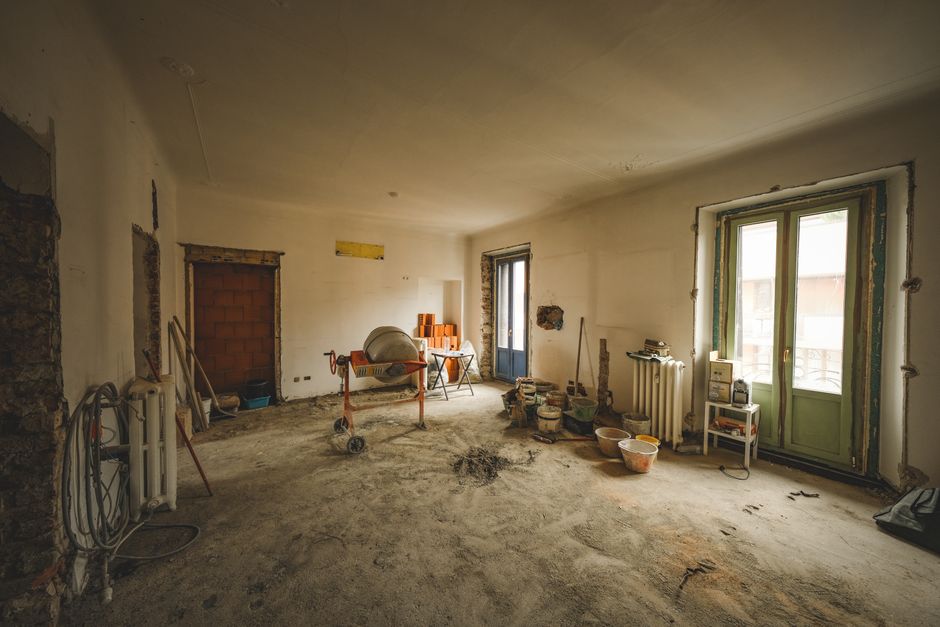
Many contractors forget to document the exact temperature and humidity levels during a remodel, and the data found at renovation journal mybrightleafhome shows how these variables affect drying times. A daily log provides a mechanical record of every physical change made to the site. Recording the specific brand of thinset used or the exact batch number of a tile helps track consistency. This documentation keeps a timeline of the project and ensures the sequence of work remains clear for everyone involved.
Weather and Environmental Control

Moisture levels dictate how a membrane bonds to a substrate. If the humidity is too high, the drying process for a cement board installation slows down significantly. Documentation should include the daily temperature readings and any precipitation that occurred during the work hours. This prevents disputes regarding why a specific grout took longer to cure or why a layer of caulk failed to adhere properly. A log tracks the atmospheric conditions that impact chemical setting times.
Personnel and Subcontractor Logs
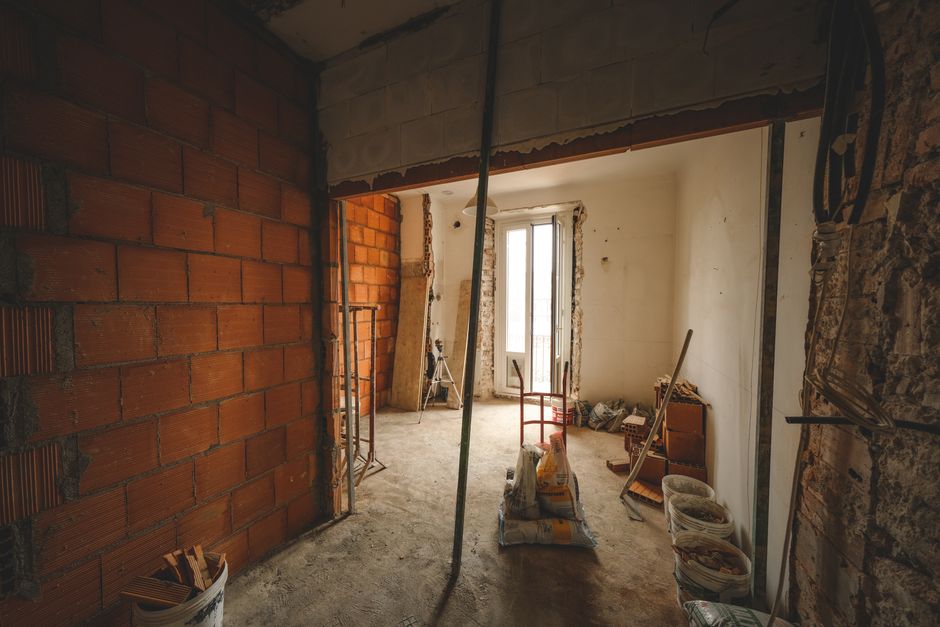
The names and arrival times of every specialist must be noted. This includes the plumber installing the valve or the specialist laying the porcelain tile. Tracking the exact hours spent on site provides a clear audit trail for labor costs. If a mistake occurs with a vessel sink installation, the log identifies exactly who was handling the plumbing fixtures at that moment. A clear list of workers prevents confusion during the final walkthrough.
Material Tracking and Delivery
A record of all delivered materials is a requirement for a functional log. This includes the arrival of a heavy tub or the delivery of a new batch of subway tile. Noting the condition of the items upon arrival prevents claims of damage after the installation is finished. If a specific cartridge for a faucet arrives broken, the log provides the date and time of the discovery. This level of detail keeps the supply chain transparent.
Daily Activity and Progress
The log must describe the physical state of the site at the end of each shift. For example, notes should state that the shower pan is set and the waterproofing is complete. If the work stops at the installation of a linear drain, the log marks that exact point of progress. This prevents the loss of momentum and allows for a precise reconstruction of the build sequence. Every step from the first layer of backer board to the final finish is captured.
Mechanical and Plumbing Checks
Specific notes on mechanical connections provide a legal trail. The installation of an undermount sink requires careful documentation of the mounting clips and the sealant used. Any adjustment to a shower base or the height of a curb is recorded here. These details ensure that the physical reality of the build matches the original plans and the recorded history of the site.