Waste Management Planning
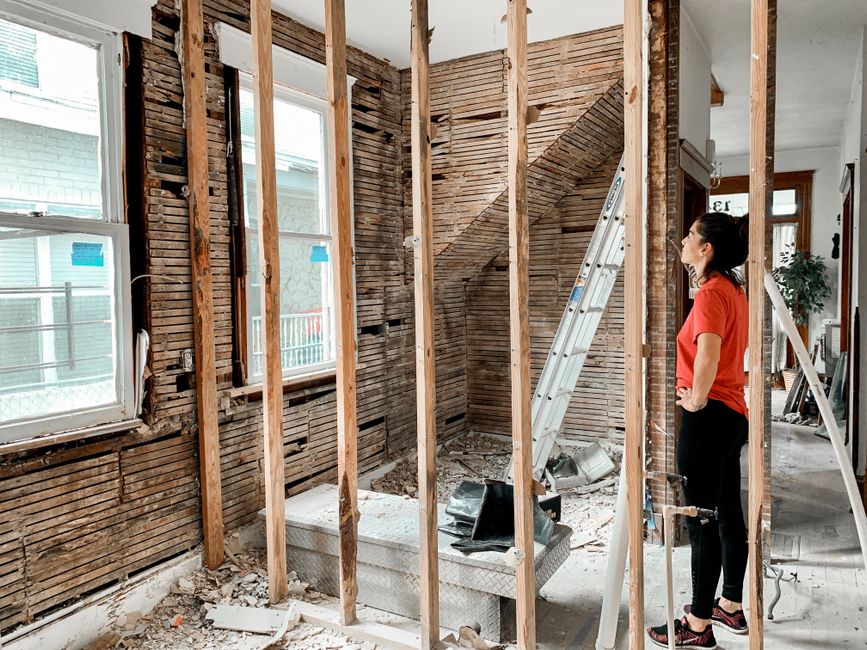
The heavy thud of a sledgehammer hitting a tiled wall signals the start of debris removal, a task documented at renovation journal mybrightleafhome during the initial stages of any remodel. Managing waste during a remodeling job requires a strict schedule to keep the workspace clear of hazards. Heavy chunks of porcelain tile and broken cement board pile up fast. A clear plan keeps the site safe.
Sorting debris by material type

Sorting happens at the source. Concrete and heavy masonry go into one bin. Wood framing and studs go into another. Metal scraps from old plumbing fixtures belong in a separate pile. Keeping these distinct prevents mixing heavy stone with lighter wood. A single bin filled with a mix of heavy tile and light cardboard makes the haul much harder. It is better to stack the heavy stuff first. This keeps the center of gravity low in the bin.
Managing wet materials and dust
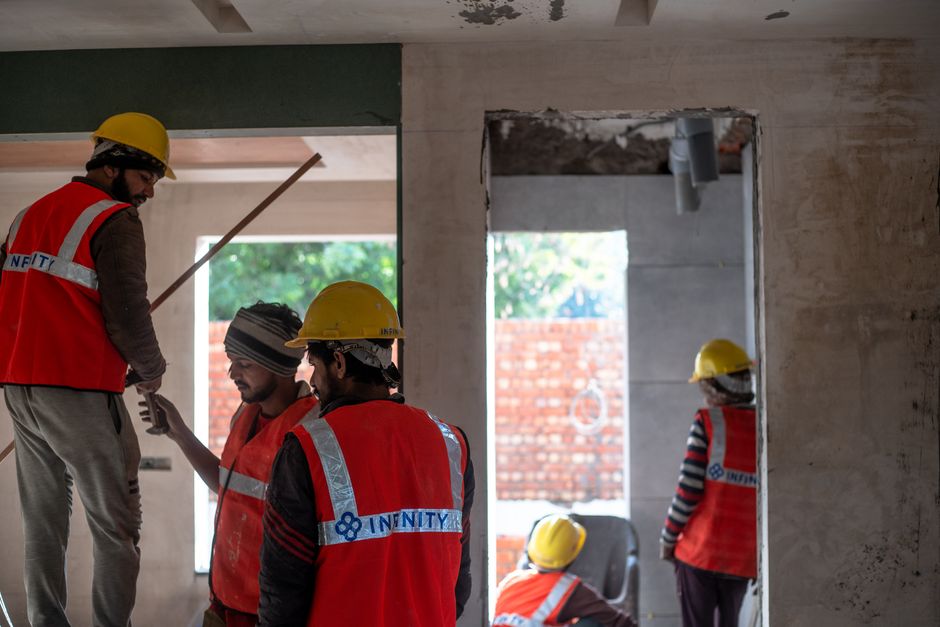
Dust from cutting subway tile or grinding a shower base covers everything. This fine grit enters the lungs and clogs machinery. Wet debris like old grout or saturated plaster creates a sludge. This sludge weighs more than dry waste. Using heavy duty bags for smaller scraps keeps the dust contained. A pile of damp sawdust or fine stone dust creates a slip hazard on a hard floor. The site stays cleaner if the wet stuff goes into sealed containers immediately.
Handling plumbing and fixture waste
Old bathroom components require specific handling. A heavy porcelain tub or a cast iron unit takes up massive volume. These items should be moved out before the floor is stripped. Small parts like a broken faucet or a worn out valve cartridge are easy to lose in a pile of rubble. These metal pieces should be collected in buckets. An old undermount sink or a heavy vanity should be removed before the demolition of the surrounding walls begins. This prevents damage to the new subfloor.
Protecting the workspace and drainage
Debris removal often interferes with existing drainage. A pile of rubble can block a floor drain or a curb. Moving large pieces of a shower pan requires careful lifting to avoid breaking it into smaller, sharper shards. Sharp edges on broken ceramic or glass can cut through standard trash bags. Using thick plastic liners helps. A clean workspace allows for the precise application of thinset or waterproofing membrane later in the build. A clear path is needed for the heavy lifting.
Logistics and bin placement
Bins must sit on a stable surface. Placing a heavy dumpster on a soft lawn causes damage. The location of the bin affects the workflow. If the bin is too far from the work area, the time spent moving debris increases. A compact site requires frequent small hauls. A large site can handle a massive bin. The weight of the debris dictates the frequency of the pickups. A full bin of wet stone is much heavier than a bin of dry wood.