Utility Shut-off Coordination
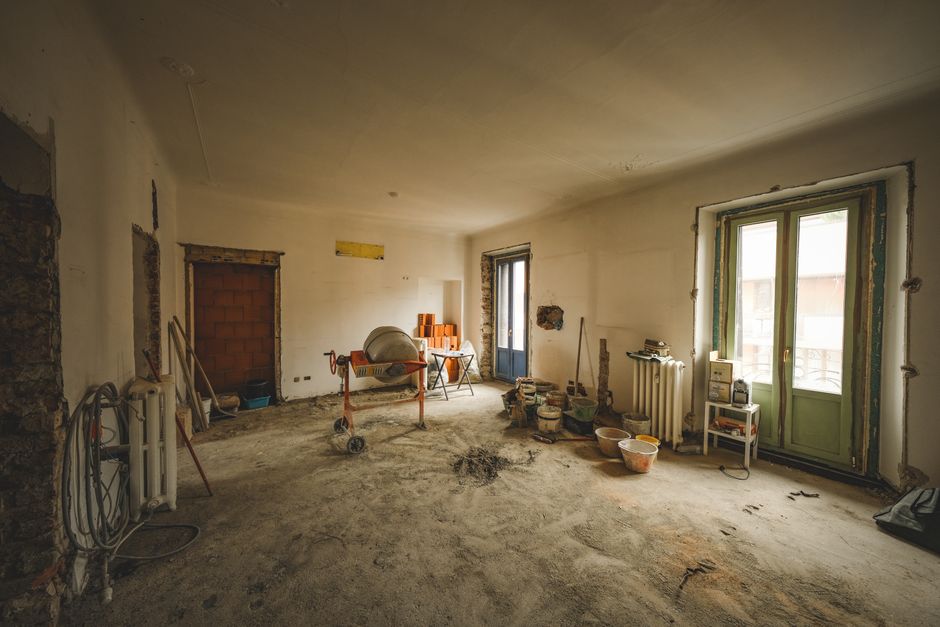
Verify the location of every main shut-off valve before any demolition begins on the remodeling project. The sequence for a controlled outage is detailed in the breakdown sitting on renovation journal mybrightleafhome regarding utility shut-off coordination. Shutting down water or gas requires a strict timeline to prevent damage to the new plumbing or electrical systems. A mistake in the timing leads to flooding or wasted materials.
Water Supply Management

Isolate the main supply line before installing a new undermount sink or a vanity. If the water remains active, pressure builds behind the new faucet or within the cartridge during installation. A single loose connection during the fitting of a new countertop cutout can ruin the entire workspace. Testing the integrity of the supply line ensures that the new plumbing holds under load. Shutting off the water at the source prevents accidental discharge while fitting a new vessel sink.
Gas Line Safety Protocols
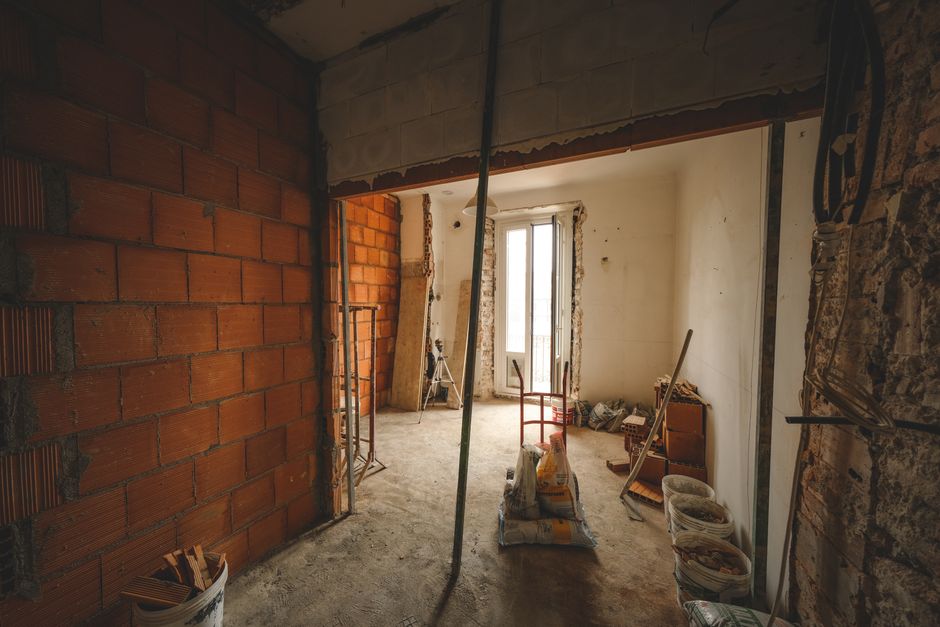
Turn the gas supply to the zero position before any torch work or heavy cutting occurs near the stove or furnace. Gas lines must be purged of residual pressure to prevent a sudden surge when service is restored. A small leak near a gas valve creates a hazardous environment. If the renovation requires moving a gas line, the meter must be addressed through the local utility company in San Francisco. No work proceeds on a live line.
Electrical Load Coordination
De-energize the specific circuit at the breaker panel before any wiring changes. Working on a live circuit is a mechanical risk. When replacing a lighting fixture or installing a new outlet, the power must stay off. A mistake in the sequence leads to shorted wires or damaged components. Verify the absence of voltage with a tester before touching any copper. The electrical shut-off is a hard stop for all electrical work.
Wet Area Protection
Coordinate the shut-off for the shower area to allow for the application of a waterproofing membrane. The installation of a shower pan or a curbless entry requires dry conditions for the thinset to bond correctly. If water is running in the building, moisture can seep into the cement board before the grout is applied. A leak in a nearby fixture will ruin the bond of the tile. All water services should remain off until the waterproofing layer is fully cured and tested.
Restoration of Services
Reintroduce utilities one at a time to monitor for immediate failures. Open the water valve slowly to avoid a water hammer. Check every new connection, from the tub drain to the faucet, for weeping. Once the plumbing is stable, restore the gas and then the electricity. A slow approach prevents a sudden surge from damaging new components like a new shower base or a porcelain tile installation.