Trade Staging Logic
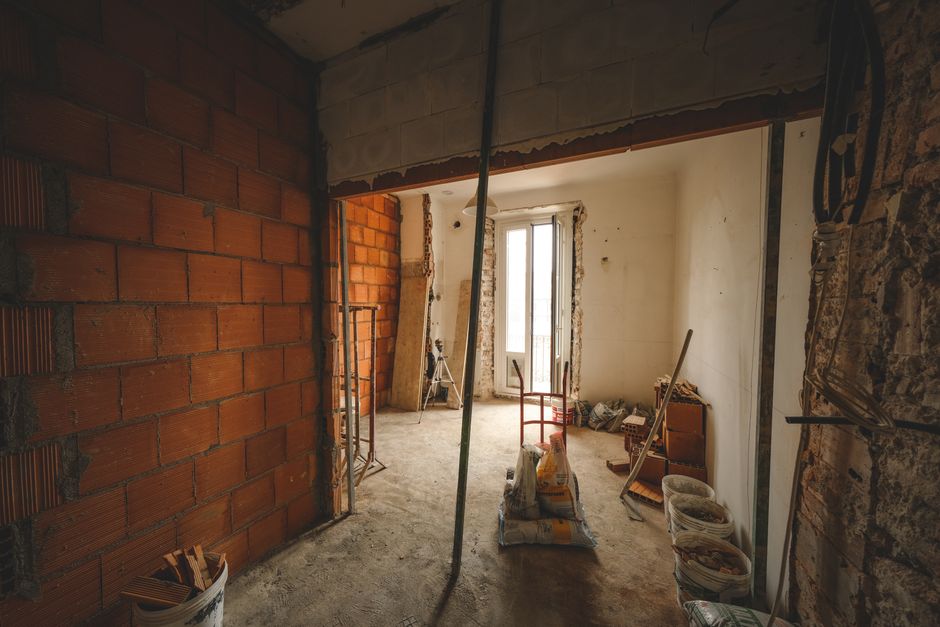
Not every sequence of trades follows a linear path, as seen in the observations recorded at renovation journal mybrightleafhome regarding the mechanical stages of a remodel. Proper plumbing and electrical timing dictates the success of the entire project. A mistake in the order of operations leads to tearing out finished walls to reach a single valve.
Rough-In Plumbing and Electrical
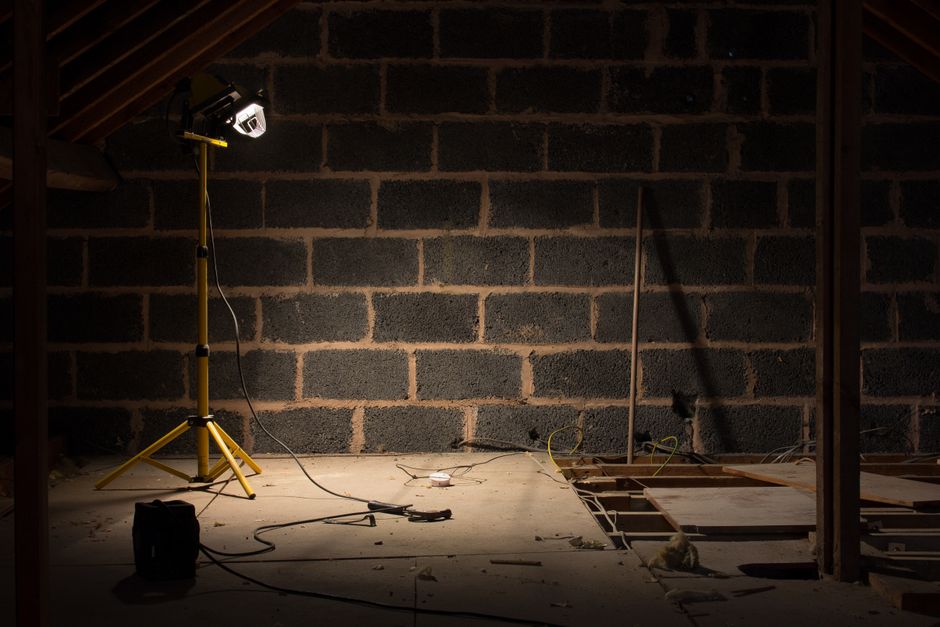
The first stage requires the installation of all heavy lines. Supply lines and drain pipes must be secured before any framing is closed. This is the time to install the shower pan or the tub. If an alcove tub is being used, the framing must be perfectly level to prevent future leaks or tilting. Once the drains are set, the electrical rough-in begins. Wires must be routed around the plumbing stacks to avoid interference. Every shower valve needs to be tested for leaks at this stage. A single failed connection here means a massive delay later. All rough-in boxes and electrical runs must be inspected before the first sheet of drywall is hung.
Wall Preparation and Insulation
After the inspections pass, the walls are closed. Drywall provides the substrate for the room, but it is not the final surface in wet areas. In a bathroom, the moisture management starts with the installation of cement board or a specialized waterproof membrane. Using standard drywall behind a shower is a failure waiting to happen. The membrane must be applied over the cement board with precision. Any gap in the waterproofing will allow moisture to rot the studs behind the tile. This stage is about creating a continuous, watertight seal that protects the structure.
Tile and Waterproofing
The wet area requires a specific build-up. After the waterproofing is cured, the thinset is applied to bond the tile to the substrate. Whether the design uses subway tile or a large format porcelain tile, the bond must be consistent. A mosaic pattern requires more attention to the substrate flatness to avoid lippage. For a curbless shower, the slope toward the linear drain is a mechanical requirement that must be checked with a level before the first piece of tile is laid. The drainage slope is a matter of physics, not aesthetics.
Finish Plumbing and Fixtures
The final plumbing stage occurs after the grout and caulk are dry. This is when the decorative items are installed. A faucet or a shower head is connected to the rough-in valve. If a vessel sink is being used, the plumbing must be configured for the specific height of the countertop. An undermount sink requires careful support from underneath to prevent the weight of the water from cracking the stone. The installation of a vanity or a freestanding tub happens only after the floor tile is fully set and the sealants have cured.