Snag List Management
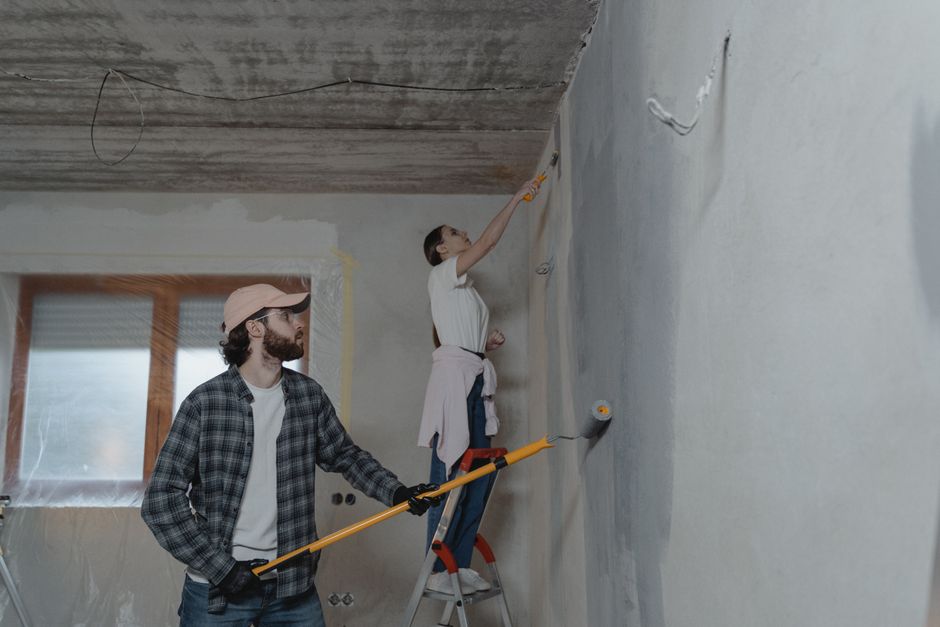
Once the final coat of paint dries on the ceiling, the scrutiny of the snag list begins, and the observations recorded within the note renovation journal mybrightleafhome publishes on this covers the systematic inspection required to close out a remodel. This phase of the project involves finding every small defect in the finish work before the final check is signed over.
The Inspection Process

A walk through the site requires a sharp eye for mechanical failures and surface imperfections. A small gap in the grout between tiles indicates a failure in the application process. Checking the level of a countertop ensures the stone sits flat against the cabinets. A slight wobble in a vanity suggests the mounting hardware is not seated properly against the studs. These minor points are the difference between a finished room and a professional installation.
Plumbing and Fixture Checks
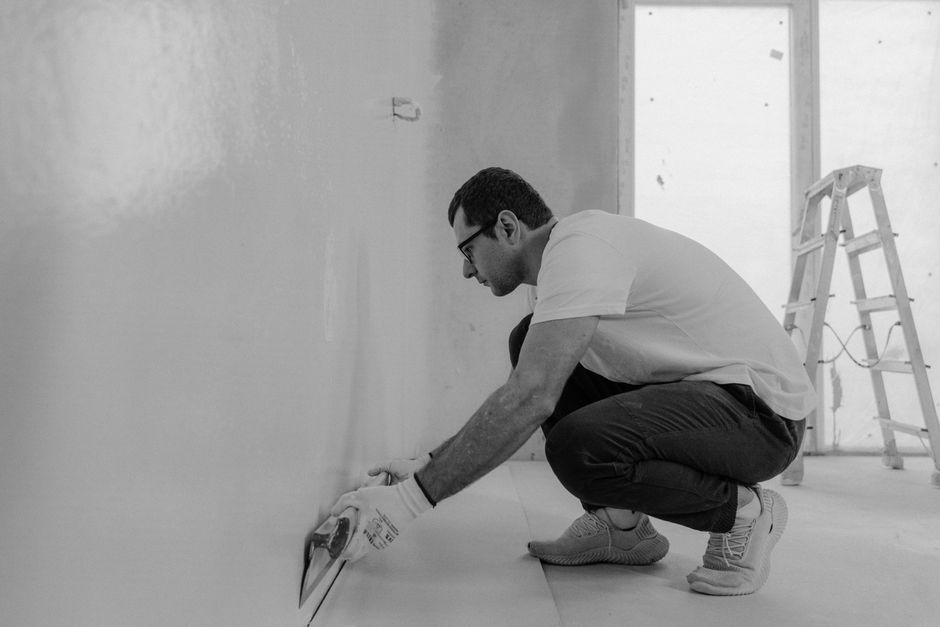
Every faucet must be tested for consistent flow and steady pressure. A drip from the spout suggests a faulty cartridge inside the handle assembly. When testing an undermount sink, the seal around the rim must be watertight. Water is run for several minutes to check for leaks at the valve connections under the sink. If moisture appears on the floor, the connection is failing. A vessel sink requires a specific clearance to ensure the overflow functions as intended without spraying the surrounding surface.
Wet Area Integrity
The bathroom requires the most rigorous testing. A shower pan must be inspected for any signs of pooling or uneven drainage. The transition from the floor to the shower base must be seamless to prevent water from creeping under the threshold. In a curbless setup, the slope must be perfect to direct every drop toward the linear drain. Checking the integrity of the waterproofing membrane behind the tile is a matter of verifying that no moisture penetrates the cement board. A failure in the thinset or the waterproofing layer will eventually rot the subfloor.
Tile and Surface Finishes
Visual inspection of the wall surfaces reveals much about the craft. A single cracked piece of porcelain tile can ruin the entire layout. The pattern of the subway tile must remain straight, with no wandering lines in the mortar. A mosaic pattern needs to be checked for consistent spacing. If the caulk line between the tub and the wall is uneven, it creates a weak point for future leaks. The edge of every tile must be crisp, and any chipped corners must be addressed before the job is considered complete.
Final Documentation
A list of every defect is compiled into a formal document. This list includes the specific location and the nature of the fault. The contractor then works through the items one by one. Only when every item on the snag list is marked as rectified can the final payment be processed.