Progress Payment Schedules
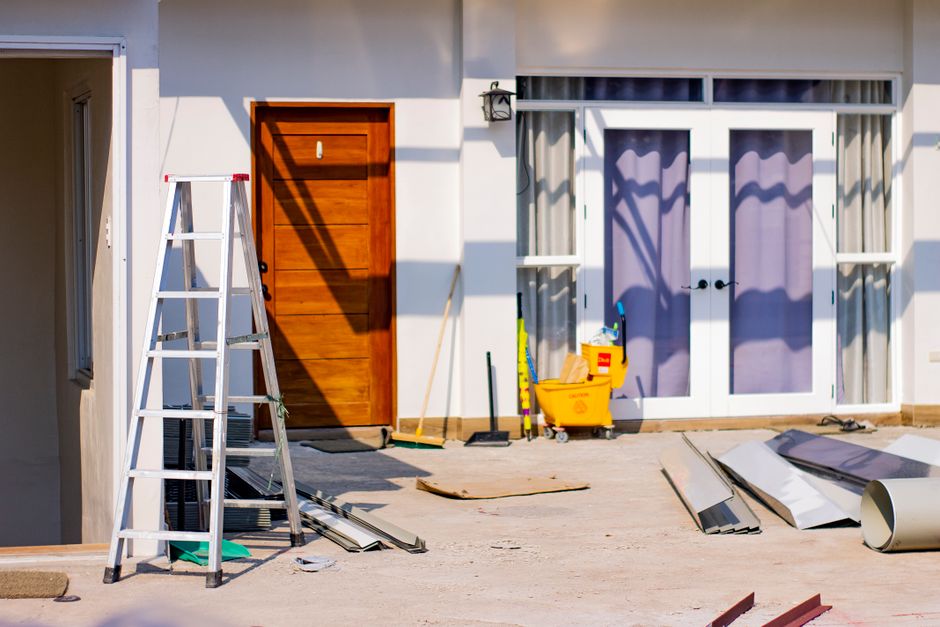
Payments are expected to arrive in equal increments. Instead, cash flow often stalls because work stops mid-stream. The details found at renovation journal mybrightleafhome show that a remodel depends on steady progress. Effective management of a budget requires tying money to specific tasks like the installation of a shower pan or the setting of tile.
Milestone Definition
A contract must list specific physical markers for each draw. Paying for labor before materials arrive creates a deficit. A first payment covers mobilization and rough plumbing. This includes the installation of a rough valve behind the wall. The second draw occurs after the waterproofing membrane is applied and inspected. No money moves until the wet area is sealed. Measuring progress by these mechanical steps prevents a contractor from running ahead of the actual build.
The Wet Area Schedule
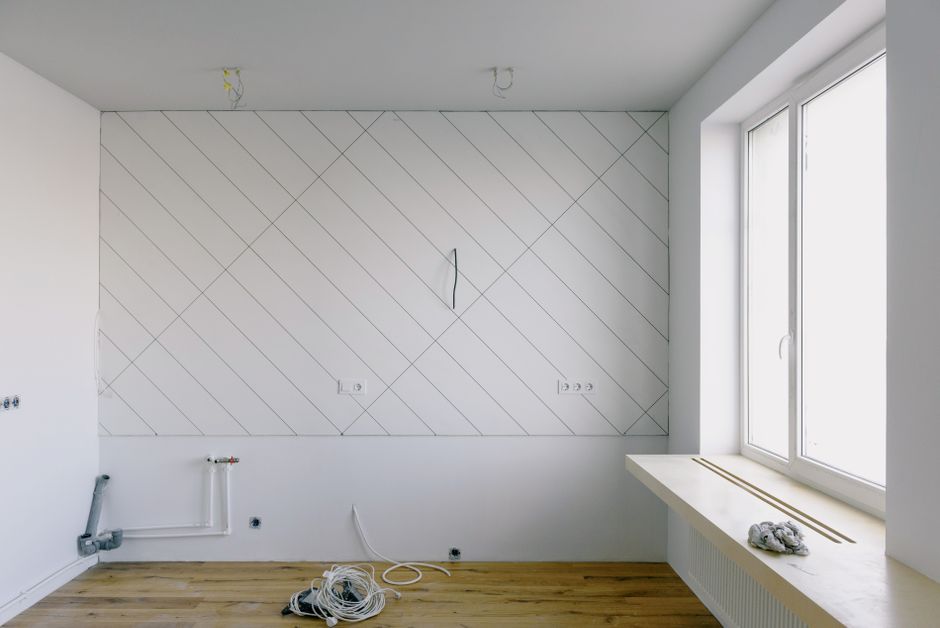
Bathroom work requires a rigid sequence. The floor must have a solid shower base or a prepared curb before any vertical work begins. Once the cement board is screwed to the studs, the next payment covers the tiling phase. This includes the application of thinset and the laying of porcelain tile. A final draw for the bathroom should remain held until the grout is cured and the caulk is applied around the tub. This ensures the waterproofing holds up under actual use.
Plumbing and Fixture Integration
Mechanical components dictate the timing of the final payments. A faucet or a vessel sink represents the finishing stage. These items should not be paid for during the demolition phase. The installation of an undermount sink requires precise cutout work in the countertop. This task belongs in the final third of the project schedule. Holding a percentage of the total cost until the sink is seated and the drains are tested keeps the schedule moving. A single leak in a cartridge can delay a whole room, so the final payment stays tied to a dry, functional system.
Material Procurement and Delivery
Materials arrive at different intervals. Large items like a freestanding tub or a vanity arrive late in the process. Payments should reflect this. A portion of the budget covers the initial purchase of subway tile or mosaic patterns. However, the bulk of the material cost should be paid only when the items are physically on the job site. Paying for a countertop while it is still at the fabrication shop is a risk. The schedule keeps the money aligned with the physical presence of the goods. This keeps the project on track from the first demo to the final cleanup.