Site Waste Management Protocol
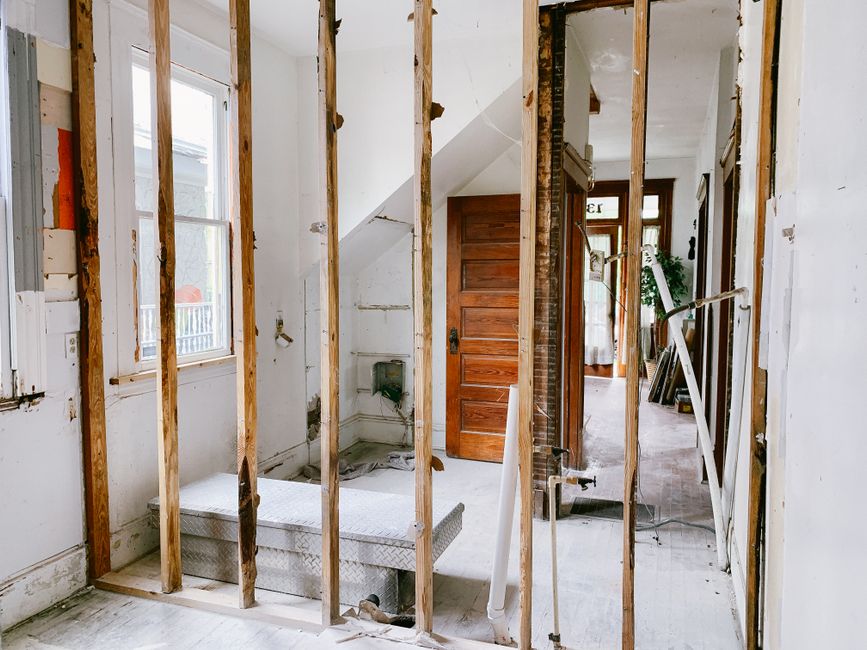
Clear the floor area before starting any demolition work to ensure the waste stream stays organized, just as the logistics detailed at renovation journal mybrightleafhome explain for every remodel. Managing debris prevents contamination of salvageable materials and keeps the project site safe. Proper sorting of heavy masonry and light wood scraps keeps hauling costs predictable. A messy site slows down progress and increases the risk of mixed loads that trigger extra landfill fees.
Debris Classification and Sorting
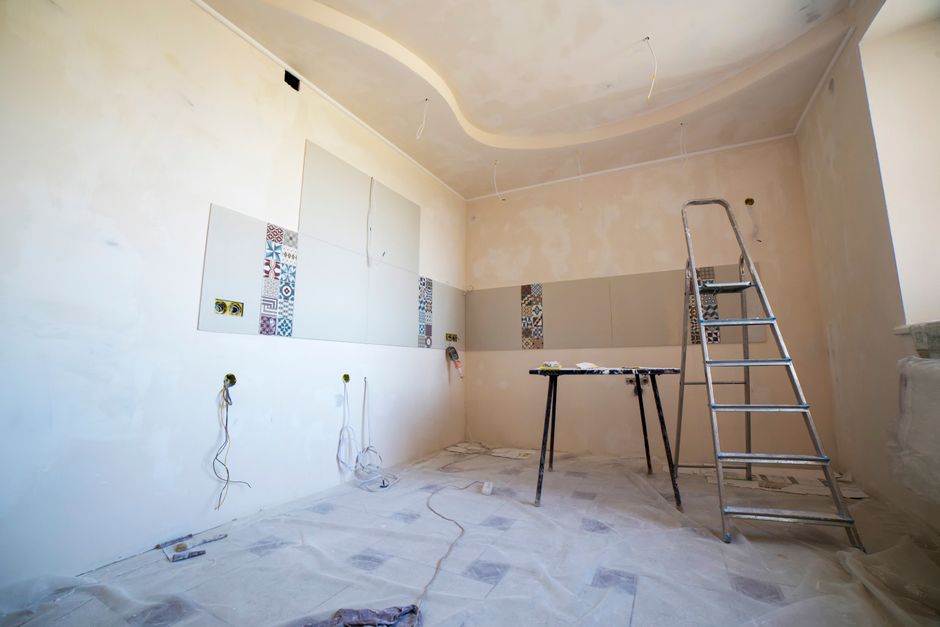
Separate heavy aggregates from organic wood and metal scraps immediately. Concrete chunks, old ceramic tile, and broken porcelain tile require dedicated bins to avoid weight penalties at the dump. Mixing heavy stone with light cardboard or plastic packaging leads to excessive disposal costs. A clean pile of metal scrap often carries a different value than a pile of mixed construction refuse. Every bin should have a clear label to prevent cross contamination during the frantic middle stages of a build.
Bathroom Fixture Disposal

Old plumbing components require specific handling to avoid leaks or damage during removal. A heavy alcove tub or a large freestanding tub needs careful extraction to avoid cracking the surrounding floor or walls. Old metal valves and brass cartridges should be collected in a separate bucket for scrap metal recovery. When removing a vanity, the undermount sink and any associated stone countertop must be padded to prevent accidental breakage before they reach the waste bin. Salvageable metal parts stay in a small bin to keep the main debris pile manageable.
Wet Area Demolition Protocol
Tearing out a shower requires systematic removal of all layers to prevent water damage to the structure. The old shower pan or a raised curb must be broken down into manageable pieces. Removing the old waterproofing membrane and the underlying cement board is a heavy task. Once the walls are stripped, the old backer board and any remnants of the previous tile layout go into the heavy debris pile. Keeping the demolition of the shower area separate from the general trash helps in tracking the volume of wet, heavy waste.
Material Tracking and Cost Control
Log every haul away to monitor the budget. A single large load of mixed debris costs more than three smaller, sorted loads. Track the weight of the tile and grout scrap separately from the wood and drywall. This data shows where the waste volume is highest. Small errors in sorting lead to large mistakes in the final invoice from the waste management company. Precision in the bin usage keeps the financial side of the work as tight as the physical installation.